
 Business License

How to Choose a Titanium Supplier: Specifications, Documents, and Quote Checks
The best way to choose a titanium supplier is to compare each offer against a written material requirement. Start with the product form, grade, governing standard and edition, condition, dimensions, tolerance, documents, packaging, and commercial terms. Price matters only after the offers answer the same requirement.
A supplier website, a catalogue, and a broad quality statement can start a conversation. They do not establish that a specific material order meets a drawing or project requirement. Procurement becomes easier when the buyer makes the needed evidence and acceptance fields clear before requesting a quote.
Use this guide on how to choose a titanium supplier as a buyer checklist. It does not approve a supplier or material for any application. Your contract, drawing, applicable standard, and internal qualification process determine the appropriate evaluation depth.
Key Takeaways
Start supplier selection with a controlled RFQ, not a list of supplier names.
Match the requested titanium form to the governing product standard and edition.
State which order documents, marking, reports, and traceability evidence your project requires.
Normalize technical and commercial fields before comparing price.
Record exceptions and have the buyer’s authorized project process resolve them before purchase.
The ISO/IAF guidance on external providers notes that procurement begins during design and development when a specification is prepared. It also frames control of externally provided products and services around the organization’s own relevant requirements. Read the ISO/IAF guidance.
This is the foundation for how to choose a titanium supplier consistently.
Start with the Titanium Requirement, Not the Supplier List
Before you try to choose a titanium supplier, write the order basis that every supplier must answer. “Titanium material needed” is not an order basis. Nor is a product image, a generic grade name, or a previous purchase description without the current drawing and acceptance requirements.
At minimum, define the following fields:
| Requirement field | What to record |
|---|---|
| Product identity | Product form, exact grade or alloy designation, and UNS designation where required |
| Standard | Governing ASTM, AMS, ISO, customer, or project standard and the required edition |
| Condition | Required supply condition and surface requirement |
| Dimensions | Thickness, diameter, width, length, tolerance, and drawing revision where applicable |
| Quality evidence | Required chemical, mechanical, inspection, marking, certificate, or report records |
| Commercial fields | Quantity, packaging, destination, requested timing, freight assumptions, and accepted deviations |
This is the first step in how to choose a titanium supplier because it separates a material requirement from a marketing description. It also gives purchasing, engineering, quality, and receiving teams one reference for comparing offers.
In other words, how to choose a titanium supplier starts with a requirement the buyer can verify.
Illustrative scenario: A buyer sends “Grade 2 titanium, please quote” to three companies. One quote is for wire, one is for plate, and one does not state a standard. The prices cannot be compared as competing answers to one request. The buyer first needs to define the ordered form, dimensions, standard, condition, and required documents.
This early correction shows how to choose a titanium supplier before the price stage.
For a specification-based inquiry, the titanium product range provides a starting point. The inquiry should carry the order fields above, not just a grade name.
Check Whether the Supplier Answers the Correct Product Form
One of the fastest ways to improve how to choose a titanium supplier is to verify that the quote addresses the form you need. Titanium standards are form-specific. A material grade may appear in more than one standard, but that does not make the requirements identical.
Strip, sheet, and plate
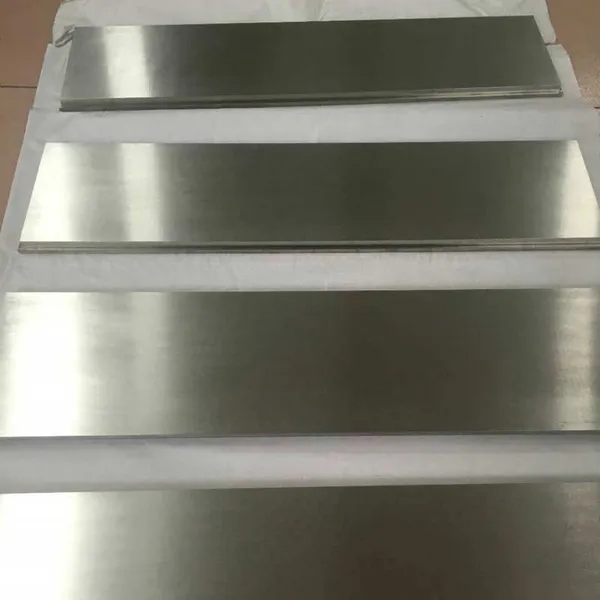
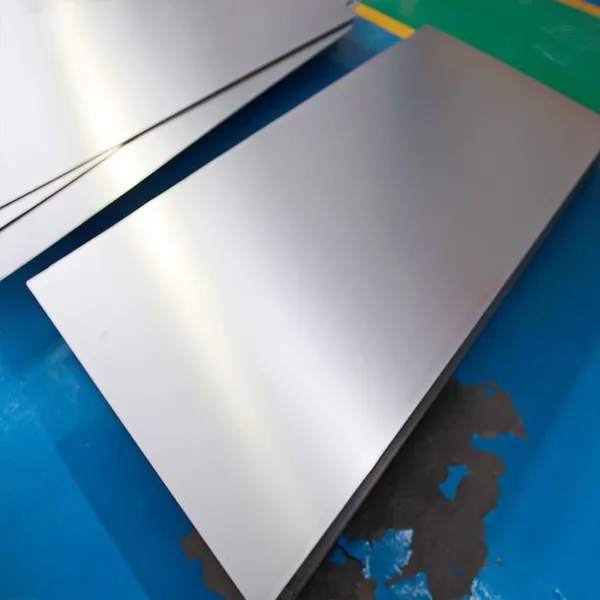
ASTM B265 covers annealed titanium and titanium-alloy strip, sheet, and plate. A flat-product request should identify thickness, width, length, tolerance, condition, surface, and applicable standard edition. Ask the supplier to state any exception to those requirements in the offer.
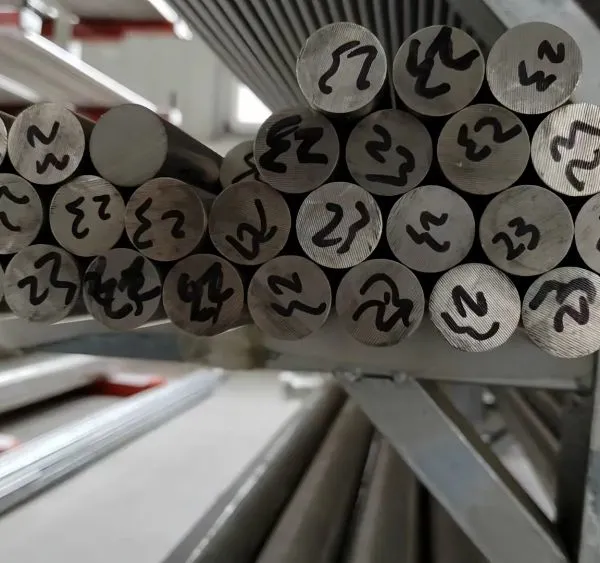
Bars and billets
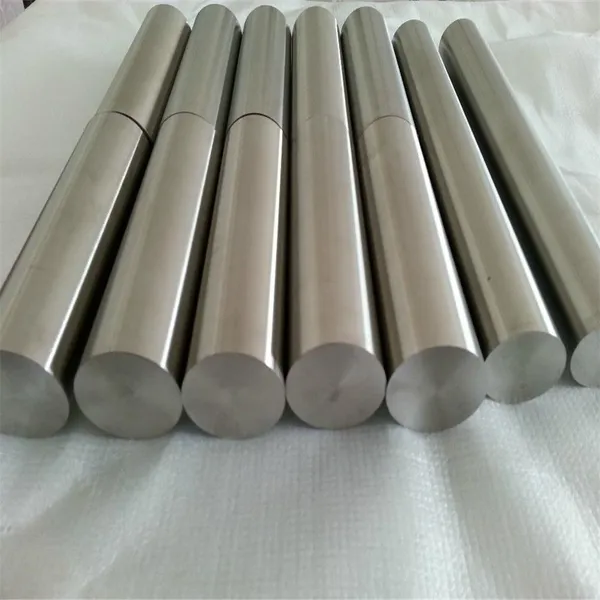
ASTM B348/B348M covers annealed titanium and titanium-alloy bars and billets. A bar request should make the section, length, tolerance, condition, and required documentation visible. A plate quotation is not evidence that a supplier can answer a bar requirement, even when the grade appears similar.
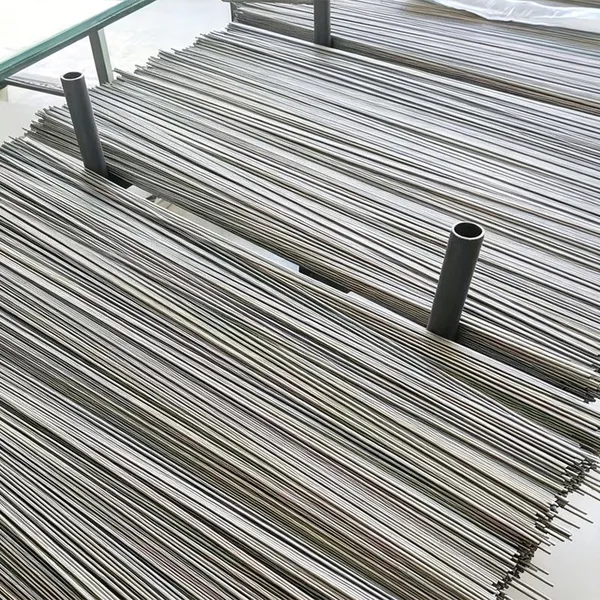
Wire
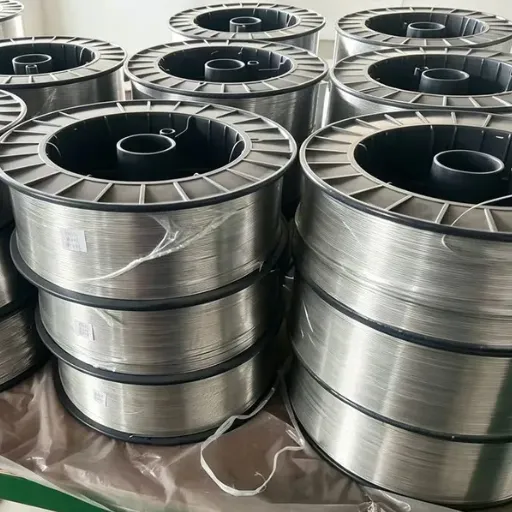
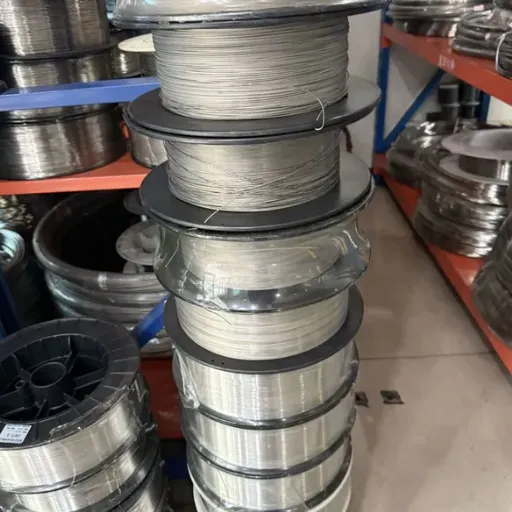
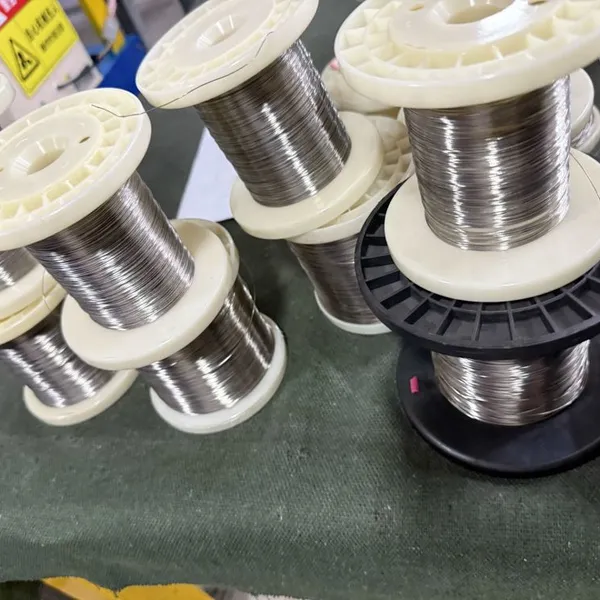
ASTM B863 covers titanium and titanium-alloy wire. Its public abstract identifies composition, density, tensile strength, elongation, and hardness as covered subjects. For wire, specify diameter and tolerance, straight length, coil, or spool form, condition, intended use, quantity, and documents. The Titanium Wire category can receive a detailed inquiry.
Illustrative scenario: Two suppliers both quote the requested grade. One repeats the product form, standard edition, dimensions, condition, and document list. The other only repeats the grade. The first response is easier to evaluate because it shows what has actually been understood, not because it proves any unverified capability.
That is a practical answer to how to choose a titanium supplier from written evidence.
This form-first check prevents a common mistake in how to choose a titanium supplier: treating a catalogue range as evidence that every form, condition, standard, and tolerance is available.
Use this same check whenever how to choose a titanium supplier becomes a product-form comparison.
Define Documentation and Traceability Needs Before Quoting
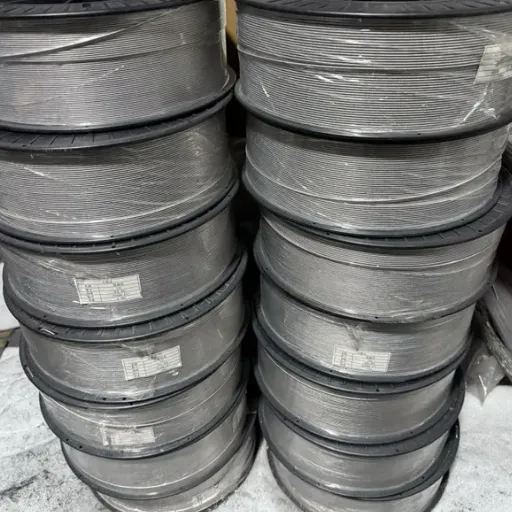
Documents should be part of the order requirement, not an afterthought. Specify what records the buyer requires and how they need to relate to the ordered material. This could include material identification, test reports, marking, inspection records, or other contract documents. The exact list depends on the project and should be defined by the buyer’s governing requirements.
The ISO/IAF external-provider guidance says organizations may control external providers using defined criteria and documented provider information. It does not mean that one generic certificate proves every product or every order is acceptable. The scope, issuing party, validity, and relationship to the actual purchase order still need review.
NASA supplier-quality guidance offers a higher-assurance example: it includes review of purchase-order requirement flowdown and evidence of traceability records specifying material condition and properties. NASA handbook. Use this as a reference for disciplined procurement, not as a universal requirement for every order.
Questions to put in the RFQ
Which reports, certificates, marking, and inspection records are required?
Which order or drawing identifiers must appear on documents or packaging?
Which material, condition, and property fields must be traceable for this order?
Are third-party inspection, buyer review, or additional test requirements part of the contract?
What exceptions must be declared before the offer is accepted?
When you choose a titanium supplier, distinguish a system-level claim from order-level evidence. A supplier may describe a quality system, while the buyer still needs to check whether the actual offer and documents answer the exact order basis.
That distinction is central to how to choose a titanium supplier without relying on assumptions.
Normalize Offers Before Comparing Price
Price is meaningful only when the technical and commercial scope is aligned. Create one comparison sheet and copy every supplier’s stated response into the same fields. Do not silently fill in missing facts from a catalogue or an earlier order.
| Comparison field | Buyer check |
|---|---|
| Material | Exact grade, alloy, and required designation |
| Form and size | Requested form, dimensions, tolerance, and condition |
| Standard | Named standard, edition, and any customer additions |
| Documents | Required records, declared scope, and stated exceptions |
| Packaging and logistics | Packaging, destination, delivery assumptions, freight, and timing |
| Commercial terms | Quantity basis, currency, validity, payment, and exclusions |
Ask each supplier to state deviations in writing. A lower number may exclude a document package, a tolerance, processing, packaging, freight, or another requirement that the higher number includes. This is a practical part of how to choose a titanium supplier because it turns vague claims into fields that can be reconciled.
Use the normalized sheet as your how to choose a titanium supplier record for this order.
Use the same sheet for later receiving checks. Compare the purchase order, supplier confirmation, packaging identification, and required documents against the original requirement. If something differs, route it through the buyer’s established disposition process rather than accepting it by assumption.
For a short overview of why material form and specification control affect titanium sourcing, this titanium product selection video is useful background. It does not replace project-specific technical approval or supplier qualification.
Evaluate the Supplier Against Your Risk Level
The checks needed to choose a titanium supplier should reflect the purchase risk. A routine, noncritical order may need a different review from a project with detailed contractual, regulated, safety, or end-use requirements. The buyer should set the evaluation criteria before choosing an offer.
Risk matching is another part of how to choose a titanium supplier responsibly.
Consider these questions:
Does the supplier’s response address every technical requirement and declared exception?
Do the requested documents, identification, and evidence fit the order’s risk and contract?
Who owns material selection, drawing approval, final inspection, and acceptance?
What is the process if a document, label, dimension, or other item does not match the purchase order?
Which supplier-performance records does the buyer already hold, and are they relevant to this order?
Do not convert a public profile, a self-description, or a single certificate into an approval decision. A buyer’s criteria should be proportionate and documented. ISO/IAF guidance specifically discusses criteria and evaluation of external providers; use your organization’s process to apply that guidance to the actual purchase.
Illustrative scenario: A supplier provides a broad quality certificate but does not state whether its scope includes the ordered material, required standard, or requested documents. The appropriate next step is not to infer compliance. Ask for a response against the defined RFQ fields and send the evidence through the buyer’s qualification process.
Use this evidence review whenever you need to decide how to choose a titanium supplier.
Three Supplier-Selection Problems to Avoid
Lowest price, incomplete technical scope
Illustrative scenario: The lowest offer omits the requested standard edition and document package. Another offer includes them. Do not treat these as like-for-like pricing until the missing scope is clarified or the exceptions are accepted by the authorized buyer process.
Same grade, different product form
Illustrative scenario: One supplier quotes wire and another quotes bar requirements for a request that only named a grade. The buyer must correct the RFQ. A grade does not define the product form or the governing standard.
System certificate presented as proof for a specific order
Illustrative scenario: A supplier presents a quality-system certificate but provides no material-specific evidence requested by the order. The certificate may be relevant to supplier evaluation, but it does not replace order-level documents, acceptance checks, or buyer approval.
These cases are the practical core of how to choose a titanium supplier. Define the requirement, compare responses against it, record exceptions, and apply the buyer’s established approval process.
Keep this how to choose a titanium supplier checklist with the RFQ and purchase review.
FAQ: How to Choose a Titanium Supplier
Is the lowest titanium quote the best choice?
Not until the offers have been normalized. Check material identity, form, standard, condition, dimensions, documents, packaging, freight, timing, and stated exceptions before comparing price.
Is an ISO 9001 certificate enough?
It can be relevant to supplier evaluation, but it is not automatically proof that a specific order meets the buyer’s material and document requirements. Check scope and order-level evidence against the RFQ.
What should I put in a titanium RFQ?
State the product form, grade or alloy, standard and edition, condition, dimensions and tolerance, drawing revision, quantity, documents, packaging, destination, timing, and accepted deviations.
How should technical exceptions be handled?
Ask for written exceptions, compare them to the requirement, and use the buyer’s authorized engineering, quality, and purchasing process to determine disposition. Do not accept an unstated difference by assumption.
Can a supplier website prove material availability or suitability?
No. A website can support an inquiry. Final availability, supply terms, and technical acceptance need confirmation against the actual specification and order requirements.
Request a Specification-Based Titanium Quote
Knowing how to choose a titanium supplier starts with a complete RFQ. Provide the product form, grade, standard edition, condition, dimensions, tolerance, quantity, required documents, packaging, destination, timing, and allowed deviations.
This makes how to choose a titanium supplier a repeatable purchasing process.
Xi'an Fengyao Technology Co., Ltd. provides category pages for inquiries, including Titanium Wire and Titanium Tube and Pipe. Submit the requirement through contact Fengyao. Final product details, supply terms, and acceptance remain subject to the inquiry and project documents.
Recently Posted
-
Titanium Material RFQ Checklist: What to Include Before You Request a Quote
October 14, 2026A complete titanium material RFQ checklist turns a material request into a comparable quotation package. It should name the produc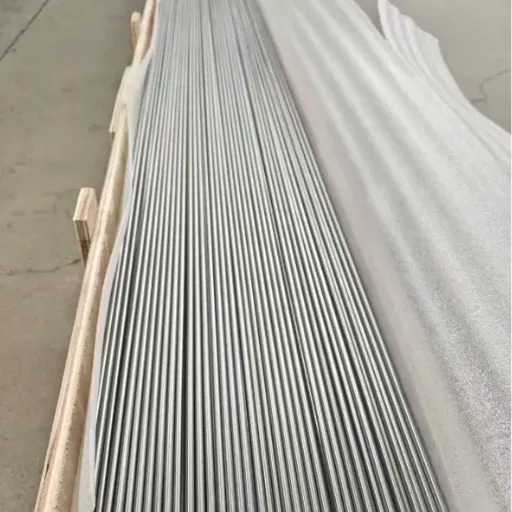 Read More
 -
Titanium Material Certificate: How to Check MTC, MTR, and Traceability
October 14, 2026A titanium material certificate supports receiving only when it can be matched to the delivered item, the purchase order or drawin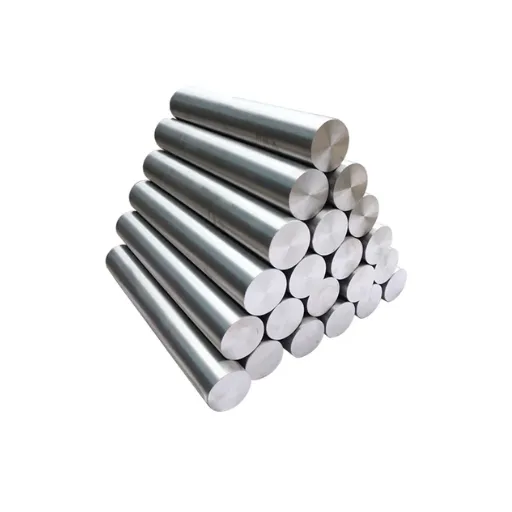 Read More
 -
Commercially Pure Titanium vs Titanium Alloy: Standards, Forms, and RFQ Requirements
October 13, 2026The practical difference in commercially pure titanium vs titanium alloy begins with material identity. In the public scope of AST Read More
 -
Titanium Grade 2 vs Grade 5: Composition, Standards, and RFQ Requirements
October 12, 2026The practical difference in titanium grade 2 vs grade 5 is material identity. ASTM identifies Grade 2 as unalloyed titanium, UNS R Read More

Contact Us
Recommended Products
-
 Titanium Alloy Plate Gr5 Gr7 Gr9 Gr12 Gr23 Cold Rolled Titanium Sheet Custom SizeNegotiableMOQ: 1 Ton
 -
Gr2 Titanium Alloy Rod Pickled Surface Hexagonal Titanium Bar Custom CuttingUS$ 20 - 40MOQ: 100 Kilograms
-
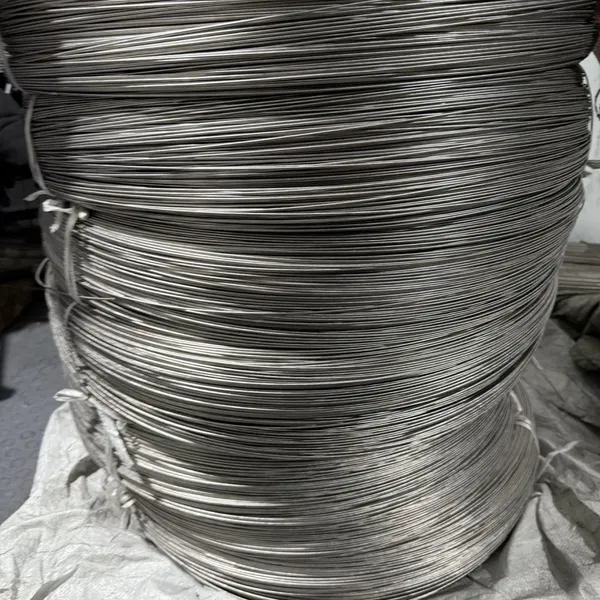
Grade1 Pure Titanium Wire ASTM B863 Standard Spool Titanium Wire Custom DiameterNegotiableMOQ: 100 Kilograms
-
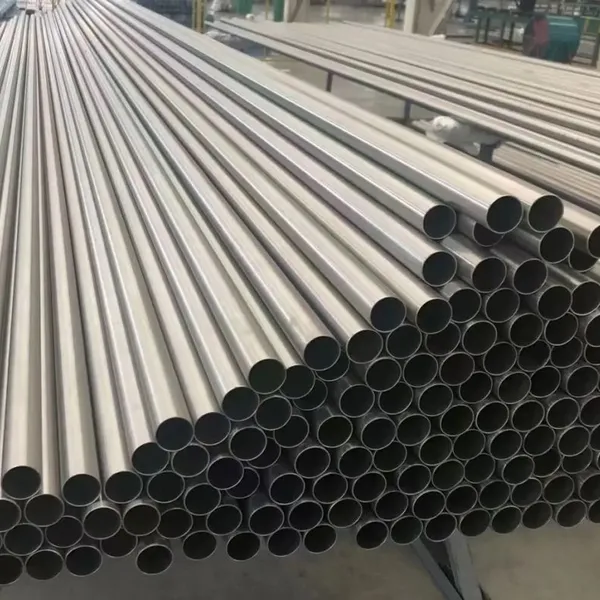
Grade 2 Seamless Titanium Tube ASTM B338 Titanium Pipe Custom Length Pickled Surface Titanium TubingUS$ 20 - 40MOQ: 100 Kilograms
-
1mm Titanium Sheet Hot Rolled Titanium Plate Support Waterjet And CNC CuttingUS$ 20 - 40MOQ: 100 Kilograms
-
Thin Titanium Fine Wire Pickled Surface Titanium Wire Custom Diameter ToleranceNegotiableMOQ: 100 Kilograms
-
Titanium Round Bar Stock Gr1 Pure Titanium Rod Multiple Shape SelectionUS$ 20 - 40MOQ: 100 Kilograms
-
High-Temperature Alloy 800 Nickel-Iron-Chromium Tubing for Industrial ApplicationsUS$ 20 - 40MOQ: 100 Kilograms
-
Gr5 Ti Aluminum Vanadium Wire Titanium Welding Wire AWS A5.16 ComplianceNegotiableMOQ: 100 Kilograms
-
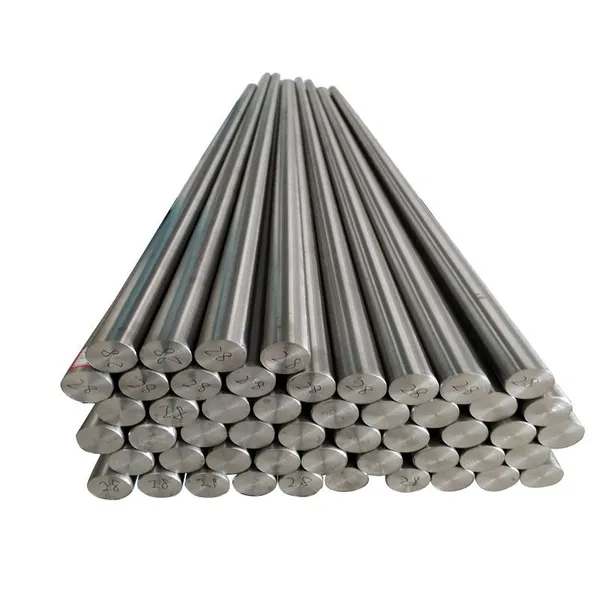
Gr23 Titanium Rod Annealed Condition Custom Length Titanium Bar UT Inspection AvailableUS$ 20 - 40MOQ: 100 Kilograms
-
CP Grade4 Titanium Alloy Rod Rolled Process Hex Titanium Bar Industrial ApplicationUS$ 20 - 40MOQ: 100 Kilograms
-
1 Inch 2 Inch Titanium Tubing Seamless Titanium Pipe Custom Cutting Titanium Tube For EngineeringUS$ 20 - 40MOQ: 100 Kilograms
-
4x8 Titanium Sheet Pure Titanium Plate Mill Finish Surface Cold Rolled Titanium SheetUS$ 20 - 40MOQ: 100 Kilograms
-
2mm Titanium Alloy Sheet Polished Titanium Plate For Chemical Corrosion ResistanceUS$ 20 - 40MOQ: 100 Kilograms
-
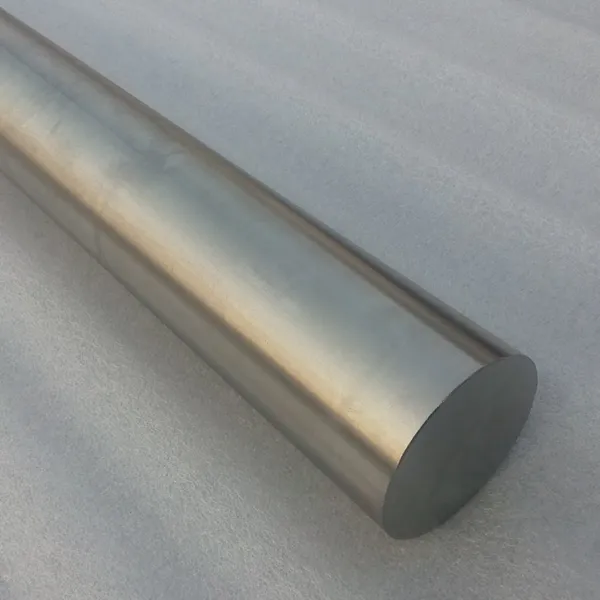
Custom Cut Titanium Plate Titanium Alloy Sheet With CNC Waterjet Shearing ProcessingNegotiableMOQ: 1 Ton
-
3mm Titanium Round Bar Gr2 Titanium Rod Strict Diameter Tolerance ControlUS$ 20 - 40MOQ: 100 Kilograms
-
Titanium Hypodermic Tubing Micro Thin Wall Titanium Tube Custom Tolerance Titanium PipeUS$ 20 - 40MOQ: 100 Kilograms
-
Titanium Grade2 Seamless Pipe Thin Wall Titanium Tubing Custom Length Titanium TubeUS$ 20 - 40MOQ: 100 Kilograms
-
2mm Titanium Alloy Wire Polished Surface Spool Packed Titanium WireNegotiableMOQ: 100 Kilograms
-
Ti-6Al-4V Titanium Alloy Sheet Grade Gr5 Titanium Plate For Aerospace ApplicationUS$ 20 - 40MOQ: 100 Kilograms