
 Business License

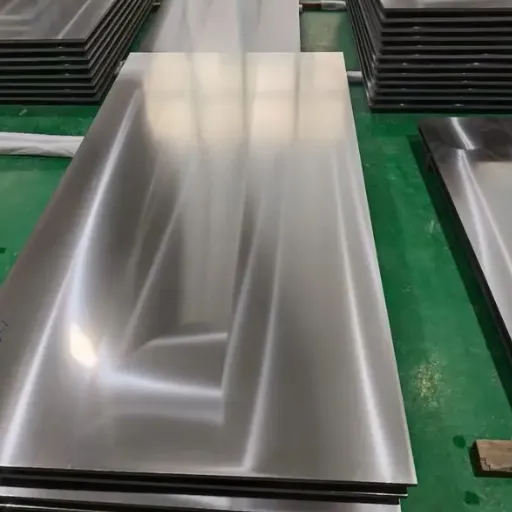
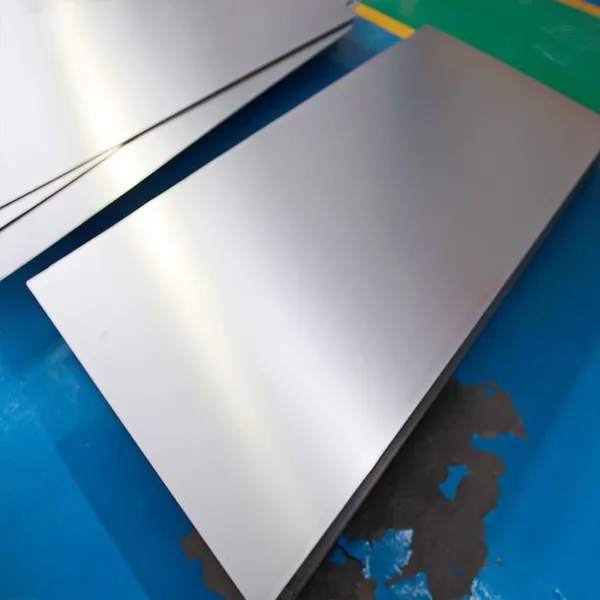
Grade 2 Titanium Sheet for Specification-Ready RFQs
Grade 2 titanium sheet should be requested with a complete material and dimensional specification, not only a grade name. A useful RFQ states the applicable standard, thickness, width, length, tolerance, surface condition, quantity, drawing, and document requirements before asking Fengyao to review the particular order.
The phrase “Grade 2 titanium sheet” identifies an intended material form, but it does not define every technical or commercial condition needed for a quotation. A supplier response can vary when the buyer changes the standard edition, dimensions, flatness, surface, cut drawing, document scope, packaging, or destination. A structured inquiry gives purchasing and engineering a common basis for reviewing answers.
Key takeaways
A Grade 2 titanium sheet RFQ needs the project material designation, standard, dimensions, tolerance, surface, quantity, and document requirements.
ASTM B265 concerns titanium strip, sheet, and plate; the buyer must still state the project’s required edition and clauses.
Do not assume a universal boundary between sheet and plate; use the language in the drawing and governing documents.
Add cut dimensions, edge requirements, and drawing revision whenever a project needs a shaped or cut part.
Compare quotations only after the technical and commercial requirements match.
You can contact Fengyao with the completed requirement and supporting drawings for order-specific discussion. Fengyao’s titanium product range shows the broader titanium material categories displayed by the store.
What a Grade 2 Titanium Sheet RFQ Must Include
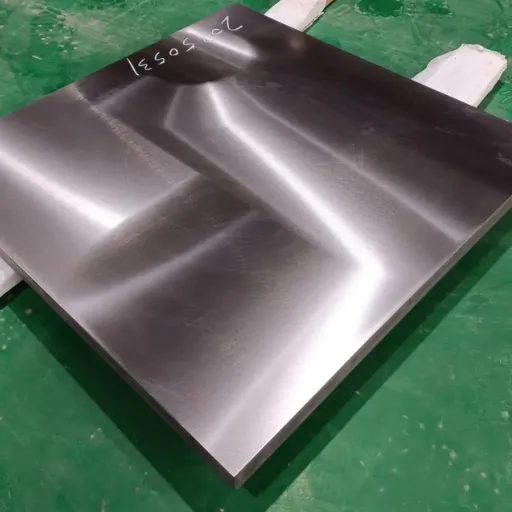
The first purpose of an RFQ is to make the requested product identifiable. Grade 2 titanium sheet alone does not state whether the buyer needs a particular standard, thickness tolerance, width and length tolerance, surface condition, flatness, cut shape, inspection scope, or record. Each missing field can cause suppliers to quote different assumptions.
Start with material designation, applicable standard, thickness, width, length, quantity, and the relevant drawing. Add tolerance, surface, flatness, cutting or edge requirements, documents, inspection, marking, packaging, destination, and requested timing when the project requires them. These inputs do not guarantee supply. They make the requirement ready for review.
| RFQ field | What to provide | Why it matters |
|---|---|---|
| Product description | Grade 2 titanium sheet and project description | Keeps the request tied to project terminology |
| Material designation | Exact drawing or purchase-specification callout | Prevents an unapproved material assumption |
| Dimensions | Thickness × width × length with units | Defines the basic geometry |
| Tolerances | Thickness, dimensional, flatness, or drawing-controlled values | Identifies acceptance conditions |
| Quantity | Pieces, net area, weight, or project quantity | Establishes the commercial basis |
| Standard / documents | Exact edition, clauses, and required records | Makes the technical scope visible |
Use the terms “sheet” and “plate” as the project uses them. Do not impose a generic thickness boundary or assume that a competing supplier’s classification applies to your order. The drawing, purchase specification, and applicable standard should control the wording in the inquiry.
Illustrative scenario: replacing a short request
Illustrative scenario: A buyer begins with “Grade 2 titanium sheet, please quote.” The project team adds the material callout, thickness, width, length, unit system, tolerance, surface requirement, quantity, and drawing revision. The expanded request does not promise availability, but it lets every supplier review the same Grade 2 titanium sheet requirement.
If any field is not yet known, identify it as an open item. Asking the project owner to confirm a tolerance is more useful than allowing different suppliers to silently select their own basis.
Specify Grade 2 and the Applicable Standard
Give the supplier the exact Grade 2 material designation from the project documents. Grade 2 is one input in the requirement; it does not by itself define dimensions, surface, tolerance, testing, documents, or acceptance conditions. Those details should remain separate lines in the RFQ.
ASTM B265-20a publicly describes B265 as covering annealed titanium and titanium-alloy strip, sheet, and plate, and includes Grade 2 in its scope. The ASTM nonferrous standards index lists B265-25 as the current specification. These sources establish the general subject of the standard. They do not prove that B265 applies to every project or that Fengyao supplies any Grade 2 titanium sheet to a named edition.
Write the standard field exactly as required: “Applicable standard and edition: [project reference]; please review against attached clauses.” If supplementary requirements, customer specifications, or inspection clauses apply, attach the relevant pages. A clear reference allows the supplier to identify open points before a quote is compared.
Do not use a standard name as a substitute for a complete requirement. A material designation, a standard, a drawing, and an acceptance plan can each control different aspects of the purchase. Keeping them separate makes deviations easier to see.
Illustrative scenario: checking a standard reference
Illustrative scenario: Purchasing receives a requirement that names Grade 2 and ASTM B265 but does not identify the project edition or additional acceptance clauses. Engineering supplies the current project reference and attached pages before the RFQ is sent. The clarification does not certify any material; it gives the supplier a defined standard basis to review.
Define Thickness, Width, Length, and Tolerances
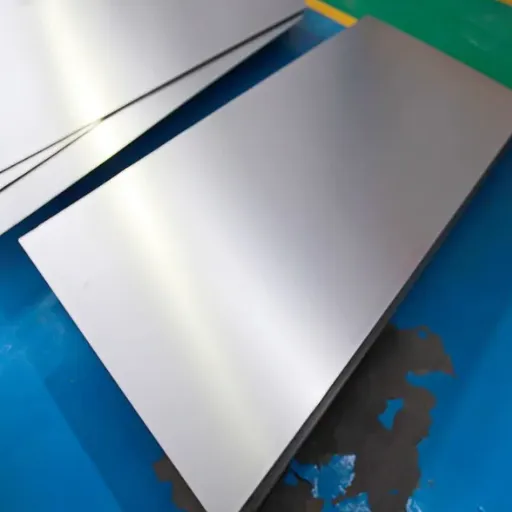
Dimensions should be written in a complete, consistent format. State thickness, width, length, units, and the tolerance that governs each field. If a drawing controls the part, identify its number and revision. A Grade 2 titanium sheet request should also identify flatness, surface, edge, or shape conditions whenever they are specified by the project.
| Detail | RFQ entry | Review note |
|---|---|---|
| Thickness | Nominal value, unit, and tolerance | Include the governing drawing or specification |
| Width and length | Nominal values, units, and tolerances | State whether dimensions are net or blank size |
| Flatness | Project-defined requirement, if applicable | Attach the relevant clause or drawing |
| Surface | Exact project requirement | Do not assume a standard finish |
| Edges / shape | Requirement only when applicable | Include drawing and revision |
| Quantity | Pieces, weight, or project total | Keep the unit consistent |
Avoid a request that lists only three numbers without units or tolerance. “1 × 1000 × 2000” is not a fully usable Grade 2 titanium sheet description until the buyer identifies which dimension is thickness, the unit system, the tolerances, and any drawing-controlled conditions. A complete line can read: “Thickness × width × length: [values and units]; tolerances: [project reference].”
If a project needs cut pieces, attach the cutting drawing and name the required edge or acceptance condition. Fengyao’s store context supports discussing customized processing requirements, but it does not establish a fixed cutting method, capacity, or tolerance range. Request order-specific confirmation instead of assuming a process is included.
Add Surface, Cutting, Inspection, and Documentation Conditions
Surface and document requirements can change the basis of a Grade 2 titanium sheet quote. State the required surface or cleanliness condition only when it appears in the project documents. Do not assume that a catalogue term, finish, certificate, inspection method, or packaging arrangement is included in every order.
If the requirement involves a cut shape, drawing-controlled holes, edge preparation, or special handling, send the drawing and revision. If the project requires reports, records, traceability, third-party inspection, marking, packaging, or a witness point, list the exact requirement or attach the governing clause. The supplier can only review the conditions that the RFQ makes visible.
| Review area | Questions to include |
|---|---|
| Surface / flatness | What condition is required by the drawing or specification? |
| Cutting / shape | Does a drawing define net dimensions, edges, or features? |
| Inspection | Is there a test, witness, hold point, or third-party requirement? |
| Documents | Which records or reports are required by the project? |
| Packaging | Are protection, pack quantity, or marking instructions stated? |
| Delivery | What are the destination, requested timing, and commercial term if known? |
State the destination and requested timing as requirements for quotation review, not as an assumption about lead time or freight. The same applies to certificates and inspection: they should be requested and confirmed for the specific order, never treated as an automatic Fengyao offering.
For broad titanium commodity context, the USGS titanium statistics and information page is useful background. It is not technical approval for a Grade 2 titanium sheet application or supplier offer.
Compare Grade 2 Titanium Sheet Quotes on the Same Basis
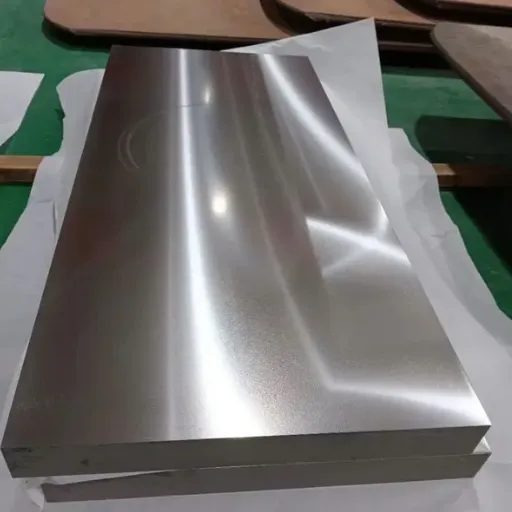
The most reliable comparison is not between two headline prices. It is between two replies to the same Grade 2 titanium sheet RFQ. A lower quotation may use a different thickness tolerance, width and length basis, surface, quantity, document scope, packaging, or delivery point. Before selecting a supplier, list every variance against the original requirement.
Use this sequence:
Confirm the material designation, standard edition, and attached project clauses.
Check thickness, width, length, units, tolerances, flatness, and surface requirements.
Verify cut dimensions, drawing revision, edge conditions, and any stated custom requirement.
Compare quantity basis, documentation, inspection, marking, and packaging.
Review destination, requested timing, commercial terms, and written exceptions.
Ask each supplier to clarify an exception before making a purchase decision.
Engineering can determine whether a response addresses the specification; purchasing can compare commercial terms only after the technical basis aligns. A supplier question is often an opportunity to complete the RFQ rather than a negative result.
Illustrative scenario: Two quotations use the same Grade 2 designation and overall dimensions, but one does not address the required thickness tolerance or document scope. The buyer reissues the RFQ with the missing drawing notes and record requirements. The revised request makes later quote comparison more meaningful without making any capability promise.
Copy-and-Send Grade 2 Titanium Sheet RFQ Checklist
Use this template as an initial inquiry. Replace brackets with your actual project information and attach drawings or specification clauses where applicable.
Product: Grade 2 titanium sheet [project description]
Material grade / designation: [exact callout]
Applicable standard and edition: [reference]
Thickness × width × length, units, and tolerances: [requirement]
Surface / flatness requirement: [details]
Cut dimensions, edge requirement, and drawing revision: [details]
Quantity: [pieces, weight, or project total]
Inspection and document requirements: [list]
Marking and packaging requirements: [list]
Destination, requested timing, and commercial term if known: [details]
Open items to confirm: [list]
This checklist organizes the request; it does not replace engineering or acceptance review. Send it with the relevant drawing and standard so a supplier can identify missing details before quotation discussion.
Ready to begin? Contact Fengyao with the completed checklist and attachments. For store background, see the company profile.
FAQ: Grade 2 Titanium Sheet Purchasing
Is a Grade 2 label enough for a sheet RFQ?
No. Include the Grade 2 titanium sheet designation with standard, thickness, width, length, tolerance, surface, quantity, documents, and drawing requirements. The grade name does not define the whole purchase requirement.
Should I include ASTM B265 in the inquiry?
Include it when the project requires it, along with the required edition and any relevant clauses. ASTM B265 addresses titanium strip, sheet, and plate within its stated scope; it is not an automatic substitute for project-specific requirements.
Can I submit a cutting drawing?
Yes. Include the drawing number, revision, net dimensions, tolerances, edges, and acceptance conditions. The actual processing scope must be confirmed for the particular order.
How do I contact Fengyao about Grade 2 titanium sheet?
Use the Fengyao contact page and attach the completed RFQ checklist, drawings, material designation, dimensions, standard, quantity, and document needs for review.
Conclusion: Begin With a Defined Grade 2 Titanium Sheet Requirement
Selecting Grade 2 titanium sheet begins with an RFQ that makes the material, standard, dimensions, tolerance, surface, quantity, and acceptance conditions visible. Resolve open points before comparing quotations and evaluate each response on the same basis.
Fengyao displays titanium material categories in its store. Submit the completed Grade 2 titanium sheet request through contact Fengyao for order-specific review. Final product scope, supply conditions, documentation, and delivery details require confirmation for the particular inquiry.
Recently Posted
-
Titanium Bar for Machining: Build a Better Stock RFQ
September 22, 2026When buying titanium bar for machining, state the grade, condition, stock form, dimensions, tolerance, machining allowance, straig Read More
 -
Seamless Titanium Tube: Build a Clear Specification-Ready RFQ
September 22, 2026A seamless titanium tube RFQ should state the grade, governing standard, OD, wall thickness, length, tolerances, condition, quanti Read More
 -
Grade 2 Titanium Tube: Prepare a Specification-Ready RFQ
September 22, 2026A Grade 2 titanium tube RFQ should state the material designation, governing standard, seamless or welded form, outside diameter, Read More
 -
Titanium Bar Surface Finish: Define the Condition Before Quoting
September 20, 2026A titanium bar surface finish request should state the delivered condition, any drawing-required texture or roughness rule, visual Read More

Contact Us
Recommended Products
-
 Titanium Alloy Plate Gr5 Gr7 Gr9 Gr12 Gr23 Cold Rolled Titanium Sheet Custom SizeNegotiableMOQ: 1 Ton
 -
Gr2 Titanium Alloy Rod Pickled Surface Hexagonal Titanium Bar Custom CuttingUS$ 20 - 40MOQ: 100 Kilograms
-
Grade1 Pure Titanium Wire ASTM B863 Standard Spool Titanium Wire Custom DiameterNegotiableMOQ: 100 Kilograms
-
Grade 2 Seamless Titanium Tube ASTM B338 Titanium Pipe Custom Length Pickled Surface Titanium TubingUS$ 20 - 40MOQ: 100 Kilograms
-
1mm Titanium Sheet Hot Rolled Titanium Plate Support Waterjet And CNC CuttingUS$ 20 - 40MOQ: 100 Kilograms
-
Thin Titanium Fine Wire Pickled Surface Titanium Wire Custom Diameter ToleranceNegotiableMOQ: 100 Kilograms
-
Titanium Round Bar Stock Gr1 Pure Titanium Rod Multiple Shape SelectionUS$ 20 - 40MOQ: 100 Kilograms
-
High-Temperature Alloy 800 Nickel-Iron-Chromium Tubing for Industrial ApplicationsUS$ 20 - 40MOQ: 100 Kilograms
-
Gr5 Ti Aluminum Vanadium Wire Titanium Welding Wire AWS A5.16 ComplianceNegotiableMOQ: 100 Kilograms
-
Gr23 Titanium Rod Annealed Condition Custom Length Titanium Bar UT Inspection AvailableUS$ 20 - 40MOQ: 100 Kilograms
-
CP Grade4 Titanium Alloy Rod Rolled Process Hex Titanium Bar Industrial ApplicationUS$ 20 - 40MOQ: 100 Kilograms
-
1 Inch 2 Inch Titanium Tubing Seamless Titanium Pipe Custom Cutting Titanium Tube For EngineeringUS$ 20 - 40MOQ: 100 Kilograms
-
4x8 Titanium Sheet Pure Titanium Plate Mill Finish Surface Cold Rolled Titanium SheetUS$ 20 - 40MOQ: 100 Kilograms
-
2mm Titanium Alloy Sheet Polished Titanium Plate For Chemical Corrosion ResistanceUS$ 20 - 40MOQ: 100 Kilograms
-
Custom Cut Titanium Plate Titanium Alloy Sheet With CNC Waterjet Shearing ProcessingNegotiableMOQ: 1 Ton
-
3mm Titanium Round Bar Gr2 Titanium Rod Strict Diameter Tolerance ControlUS$ 20 - 40MOQ: 100 Kilograms
-
Titanium Hypodermic Tubing Micro Thin Wall Titanium Tube Custom Tolerance Titanium PipeUS$ 20 - 40MOQ: 100 Kilograms
-
Titanium Grade2 Seamless Pipe Thin Wall Titanium Tubing Custom Length Titanium TubeUS$ 20 - 40MOQ: 100 Kilograms
-
2mm Titanium Alloy Wire Polished Surface Spool Packed Titanium WireNegotiableMOQ: 100 Kilograms
-
Ti-6Al-4V Titanium Alloy Sheet Grade Gr5 Titanium Plate For Aerospace ApplicationUS$ 20 - 40MOQ: 100 Kilograms