
 Business License

Seamless Titanium Tube: Build a Clear Specification-Ready RFQ
A seamless titanium tube RFQ should state the grade, governing standard, OD, wall thickness, length, tolerances, condition, quantity, inspection, and documents. “Seamless” identifies a product form; it does not define the complete purchase requirement.
The distinction matters because B338, B861, and other project standards have different stated scopes. A supplier can only compare the request properly when the buyer identifies the form, dimensions, and acceptance basis together. This guide turns a short product search into a reviewable RFQ.
Key takeaways
Treat seamless form as one order field, then name the governing standard and edition.
State OD, ID when relevant, wall thickness, length, units, and every required tolerance.
Add ovality, straightness, eccentricity, ends, surface, and delivered condition when the drawing controls them.
Name each inspection and document requirement instead of requesting a vague certificate.
Compare offers against one revision and record all deviations separately.
Xi'an Fengyao Technology Co., Ltd. lists titanium tube and pipe in its storefront. Submit a complete seamless titanium tube requirement through contact Fengyao. Seamless availability, dimensions, standards, testing, documents, and delivery must be confirmed for the actual inquiry.
What Seamless Titanium Tube Does and Does Not Mean
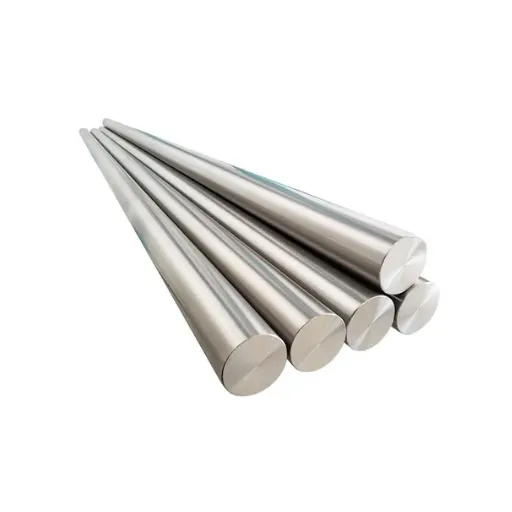
Seamless tube describes a tube form made without a longitudinal weld seam. It does not identify the grade, standard, OD, wall, length, tolerance, surface, condition, or test package. Those fields still need to appear in the RFQ.
The public ASTM B861 scope covers 26 grades of seamless titanium and titanium-alloy pipe for general corrosion-resisting and elevated-temperature service. It lists Grade 2 as unalloyed titanium with standard oxygen. That is useful standard terminology; it is not proof that Fengyao supplies B861 material or any particular size.
Tube and pipe language needs a project reference
Some buyers specify tube by OD and wall thickness. Others use nominal pipe size and schedule. Follow the drawing or purchase specification. Do not convert a tube callout into a pipe schedule, or the reverse, without approval from the responsible technical team.
The word “seamless” also does not guarantee a particular manufacturing route, finish, tolerance, or inspection result. If the project requires cold-drawn, pilgered, annealed, cleaned, or another condition, state it or mark the field as open for confirmation.
Illustrative scenario: one word hid two standards
An illustrative buyer requests “seamless titanium tube for process service.” One quotation references B861 pipe while another assumes B338 heat-exchanger tube. The buyer checks the project document and adds the governing standard, OD, wall, length, and test clauses. The revised request gives both suppliers the same technical basis.
Keep application decisions with the engineer
This article explains how to prepare a tube inquiry. It does not select a tube for pressure, chemical, marine, medical, heat-exchanger, or elevated-temperature service. The responsible engineer and governing project documents must define material selection, standard, condition, testing, and acceptance.
Choose the Governing Standard Before You Quote
The correct standard depends on the project. ASTM B338-17(2026) covers seamless and welded titanium-alloy tubes for condensers, evaporators, and heat exchangers. B861 covers seamless titanium and titanium-alloy pipe within its stated scope. ASTM B862 addresses welded titanium pipe.
These scopes should not be treated as interchangeable labels. Retain the standard named by the drawing or purchase order, include the edition, and list any customer additions. The ASTM nonferrous standards index can help locate the relevant family, but it cannot choose the route for a project.
State edition and document hierarchy
If a drawing, customer specification, and purchase order cite different revisions, resolve the conflict before requesting a final seamless titanium tube quotation. Attach the current drawing and identify which document controls material, dimensions, inspection, and acceptance.
Do not copy a standard number from an old order without checking its current project status. The accessible ASTM B861 page displays an older title page while showing a newer active version in its version list. Readers should verify the current edition through the standards publisher or project owner.
Separate form, grade, and condition
Grade, manufacturing form, and delivered condition are distinct. If a project requires Grade 2 / UNS R50400, write that designation. If it requires seamless, write seamless. If it requires annealed material or a defined surface, add that separately.
Do not infer a condition from a product photograph or a general phrase such as “high quality.” Ask the supplier to confirm each order field against the submitted requirement.
Illustrative scenario: the revision changed the test scope
An illustrative purchasing team uses a previous B861 citation for a new seamless titanium tube project. Engineering adds an inspection clause in the current drawing. The buyer reissues the RFQ with the current reference and asks suppliers to list any exceptions. That prevents a quotation from being accepted against an obsolete test scope.
Define OD, Wall, Length, Tolerances, and Condition
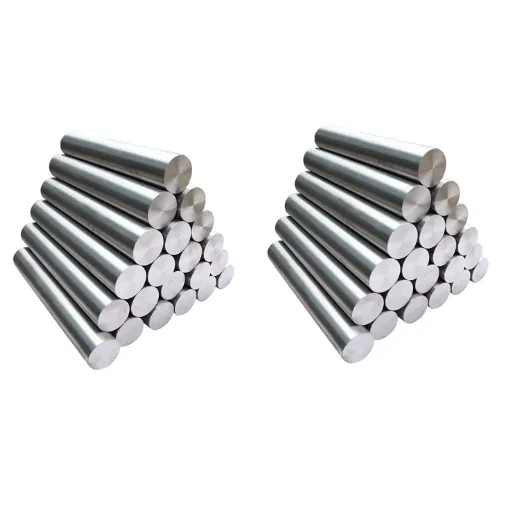
Dimensional fields make the request measurable. State outside diameter, wall thickness, length, units, and tolerances. Add inside diameter, ovality, straightness, eccentricity, ends, surface, and condition when the drawing or receiving plan requires them.
State OD and wall thickness together
Give the nominal OD and wall thickness with their tolerance. If ID controls the design, state it as well and identify which dimensions are derived. Keep metric and imperial values clear and say which unit controls acceptance.
Do not use a competitor's size table as a universal seamless titanium tube range. A published range belongs to that supplier's program and may depend on grade, condition, route, quantity, and current production basis.
Include length and end details
State fixed length, random length, multiple cut lengths, or another project-defined basis. Add length tolerance. If ends must be plain, beveled, chamfered, threaded, deburred, or otherwise prepared, copy the requirement from the drawing. Do not assume cutting or end preparation is included.
Add ovality, straightness, and condition
OD tolerance does not automatically define ovality. Straightness needs its own limit and measurement basis. Eccentricity or wall variation may also require a separate control. Surface and delivered condition should be stated independently from geometry.
| RFQ field | Buyer should state |
|---|---|
| Form and standard | Seamless form, governing document, edition |
| Dimensions | OD, ID if relevant, wall, length, units, tolerances |
| Geometry | Ovality, straightness, eccentricity, ends |
| Delivery | Surface, condition, quantity, packing, destination |
Illustrative scenario: OD alone was not comparable
An illustrative buyer requests a seamless titanium tube by OD but omits wall and length. One response assumes a thin-wall tube; another prices a heavier wall and a different quantity basis. The buyer adds OD, wall, length, tolerances, condition, and quantity. The revised quotations can be compared line by line.
For store context, see Fengyao's company profile. The storefront identifies the business as a trading company, so tube scope and dimensions should be confirmed against each inquiry.
Also state how the tube will be handled after receipt. It may be installed as delivered, cut into shorter pieces, formed, expanded, welded, or inspected before release. That context helps the buyer identify questions about ends, surface protection, straightness, ovality, and packaging. If the project is controlled, attach the relevant clause and leave the technical decision with the responsible team.
Add Inspection and Documents to the Request
Inspection belongs in the first seamless titanium tube RFQ. The B338 abstract describes different test provisions for tube forms, while a B861 project may specify other acceptance controls. The buyer should name the applicable clause and request order-specific confirmation.
Name each test and record
If required, list ultrasonic, electromagnetic, hydrostatic, pneumatic, flattening, dimensional, visual, or other inspection. Say whether the record is needed before release, with delivery, or for receiving. Do not assume a supplier performs a test because a competitor advertises it.
State the required material records, chemical or mechanical results, heat/lot identification, dimensional reports, surface checks, labels, and packing records. A request for “certificate” alone is too vague for a controlled purchase.
Maintain a revision trail
Keep the RFQ, drawings, standards, supplier questions, replies, and clarification log together. If OD, wall, form, condition, or inspection changes, issue a new revision and ask whether price, scope, documents, or timing assumptions change.
The same record should show whether the tube is being purchased as a finished pressure or process item, as heat-exchanger tubing, or as stock for a later operation. That classification belongs to the project team, not to a generic search result. It affects which standard, inspection plan, and document package the buyer should place in the request. A clear record also prevents a seamless titanium tube quote from being compared with a welded or schedule-based alternative without an approved deviation.
Compare Seamless Titanium Tube Quotes
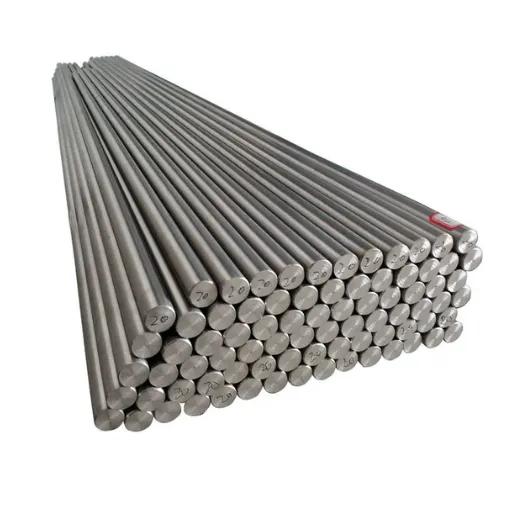
Compare technical scope before price. Two seamless titanium tube offers may use the same grade while covering different standards, OD, wall, length, condition, tests, documents, or packaging assumptions.
Build one requirements matrix
Create rows for grade, standard and edition, seamless form, OD, ID, wall, tolerances, length, ends, surface, condition, ovality, straightness, quantity, inspection, documents, packing, destination, price basis, and assumptions. Mark each as confirmed, different, excluded, or pending.
Put alternatives in a separate deviations column. The responsible buyer or engineer can decide whether a proposed alternative is acceptable. Do not merge it into the original seamless titanium tube requirement just because it appears in a quotation.
Confirm commercial assumptions
Ask whether price is based on pieces, lengths, mass, or a cut arrangement. Confirm packing, freight terms, taxes, quote validity, and timing assumptions when relevant. These questions expose scope; they do not promise a commercial result.
When the request is complete, submit it through contact Fengya. Ask for confirmation of product scope, standard, form, dimensions, documents, and open items.
| Comparison field | Confirm before accepting a quote |
|---|---|
| Technical identity | Grade, standard, edition, and seamless form |
| Dimensions | OD, wall, length, tolerances, and geometric controls |
| Acceptance | Condition, inspection, tests, documents, and drawing revision |
| Commercial basis | Quantity, packing, destination, quote validity, and exceptions |
Copy-and-Send Seamless Titanium Tube RFQ
Product: seamless titanium tube [or pipe as project-defined]
Material designation / grade: [state project requirement]
Applicable standard and edition: [B861 / B338 / other project requirement]
Outside diameter / inside diameter: [value, unit, tolerance]
Wall thickness: [value, unit, tolerance]
Length and length tolerance: [state requirement]
Ovality / straightness / eccentricity / ends: [state or “to be confirmed”]
Surface and delivered condition: [state requirement]
Quantity: [pieces, lengths, and/or mass]
Inspection and documents: [list each requirement]
Drawing or revision: [attach if applicable]
Destination, packing, timing, and open items: [state]
Before sending, check the edition, seamless form, OD, wall, length, units, tolerances, condition, and drawing revision. Send the same RFQ version to each supplier when you need comparable responses. Review the titanium product range and submit the completed requirement to contact Fengyao.
Frequently asked questions
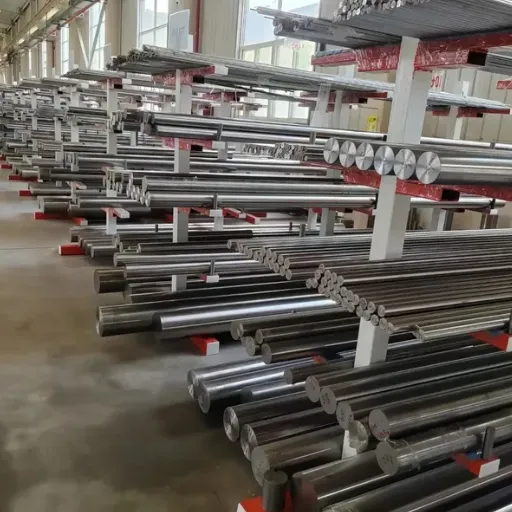
What does seamless titanium tube mean?
It identifies a tube form without a longitudinal weld seam. It does not define grade, dimensions, standard, condition, inspection, or documents.
Is ASTM B861 the standard for every seamless titanium tube?
No. B861 has a stated seamless-pipe scope. B338 covers seamless and welded tube for its stated condenser, evaporator, and heat-exchanger scope. Follow the project document.
Which dimensions should I provide?
State OD, ID if relevant, wall thickness, length, units, tolerances, ovality, straightness, ends, surface, and condition where required.
How should I request inspection documents?
Name each required test or record, cite the controlling clause and revision, state when it is needed, and obtain order-specific confirmation.
Final note
A complete seamless titanium tube RFQ helps suppliers answer the same question and helps buyers compare like with like. It does not establish stock, manufacturing route, testing, certificates, price, or delivery until the actual requirement is reviewed and confirmed.
Recently Posted
-
Titanium Bar for Machining: Build a Better Stock RFQ
September 22, 2026When buying titanium bar for machining, state the grade, condition, stock form, dimensions, tolerance, machining allowance, straig Read More
 -
Grade 2 Titanium Tube: Prepare a Specification-Ready RFQ
September 22, 2026A Grade 2 titanium tube RFQ should state the material designation, governing standard, seamless or welded form, outside diameter, Read More
 -
Titanium Bar Surface Finish: Define the Condition Before Quoting
September 20, 2026A titanium bar surface finish request should state the delivered condition, any drawing-required texture or roughness rule, visual Read More
 -
Titanium Bar Diameter Tolerance: How to Write a Clear RFQ
September 20, 2026A titanium bar diameter tolerance should state the nominal diameter, permitted variation, controlling unit, governing standard and Read More

Contact Us
Recommended Products
-
 Titanium Alloy Plate Gr5 Gr7 Gr9 Gr12 Gr23 Cold Rolled Titanium Sheet Custom SizeNegotiableMOQ: 1 Ton
 -
Gr2 Titanium Alloy Rod Pickled Surface Hexagonal Titanium Bar Custom CuttingUS$ 20 - 40MOQ: 100 Kilograms
-
Grade1 Pure Titanium Wire ASTM B863 Standard Spool Titanium Wire Custom DiameterNegotiableMOQ: 100 Kilograms
-
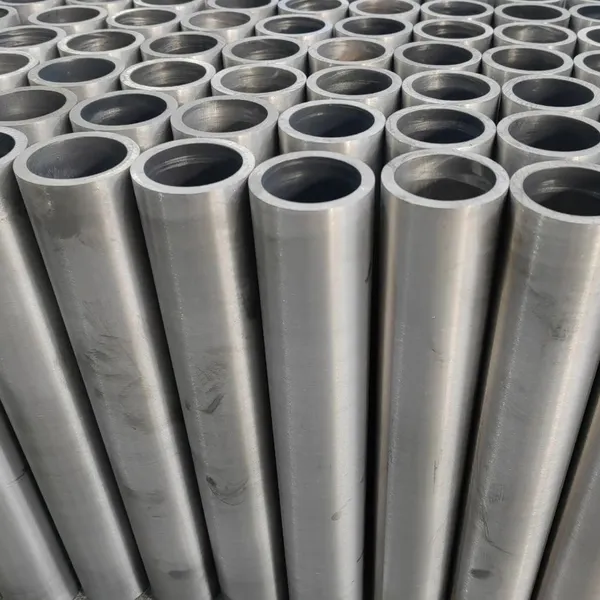
Grade 2 Seamless Titanium Tube ASTM B338 Titanium Pipe Custom Length Pickled Surface Titanium TubingUS$ 20 - 40MOQ: 100 Kilograms
-
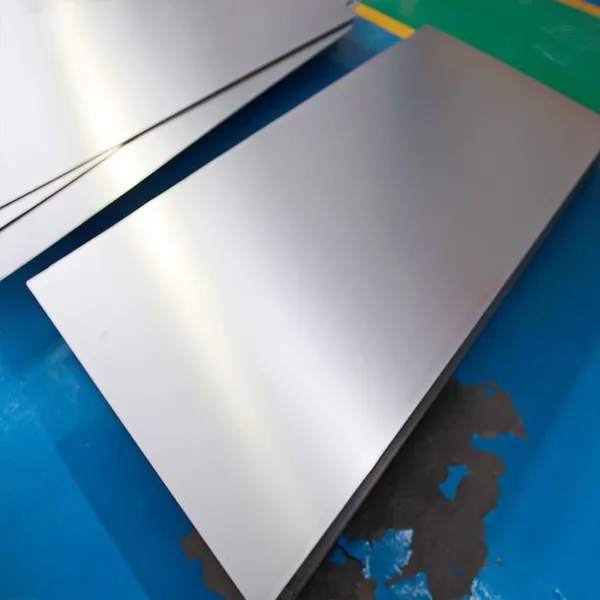
1mm Titanium Sheet Hot Rolled Titanium Plate Support Waterjet And CNC CuttingUS$ 20 - 40MOQ: 100 Kilograms
-
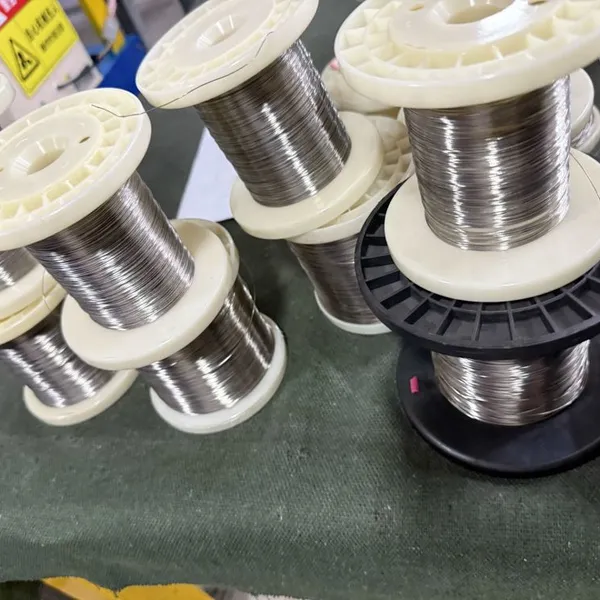
Thin Titanium Fine Wire Pickled Surface Titanium Wire Custom Diameter ToleranceNegotiableMOQ: 100 Kilograms
-
Titanium Round Bar Stock Gr1 Pure Titanium Rod Multiple Shape SelectionUS$ 20 - 40MOQ: 100 Kilograms
-
High-Temperature Alloy 800 Nickel-Iron-Chromium Tubing for Industrial ApplicationsUS$ 20 - 40MOQ: 100 Kilograms
-
Gr5 Ti Aluminum Vanadium Wire Titanium Welding Wire AWS A5.16 ComplianceNegotiableMOQ: 100 Kilograms
-
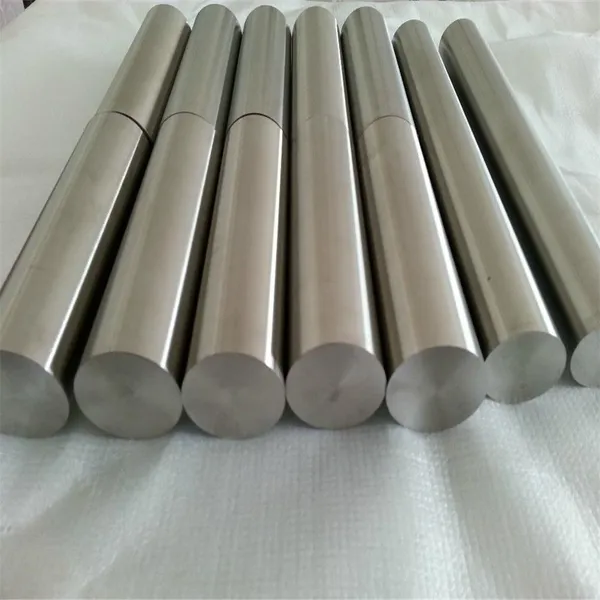
Gr23 Titanium Rod Annealed Condition Custom Length Titanium Bar UT Inspection AvailableUS$ 20 - 40MOQ: 100 Kilograms
-
CP Grade4 Titanium Alloy Rod Rolled Process Hex Titanium Bar Industrial ApplicationUS$ 20 - 40MOQ: 100 Kilograms
-
1 Inch 2 Inch Titanium Tubing Seamless Titanium Pipe Custom Cutting Titanium Tube For EngineeringUS$ 20 - 40MOQ: 100 Kilograms
-
4x8 Titanium Sheet Pure Titanium Plate Mill Finish Surface Cold Rolled Titanium SheetUS$ 20 - 40MOQ: 100 Kilograms
-
2mm Titanium Alloy Sheet Polished Titanium Plate For Chemical Corrosion ResistanceUS$ 20 - 40MOQ: 100 Kilograms
-
Custom Cut Titanium Plate Titanium Alloy Sheet With CNC Waterjet Shearing ProcessingNegotiableMOQ: 1 Ton
-
3mm Titanium Round Bar Gr2 Titanium Rod Strict Diameter Tolerance ControlUS$ 20 - 40MOQ: 100 Kilograms
-
Titanium Hypodermic Tubing Micro Thin Wall Titanium Tube Custom Tolerance Titanium PipeUS$ 20 - 40MOQ: 100 Kilograms
-
Titanium Grade2 Seamless Pipe Thin Wall Titanium Tubing Custom Length Titanium TubeUS$ 20 - 40MOQ: 100 Kilograms
-
2mm Titanium Alloy Wire Polished Surface Spool Packed Titanium WireNegotiableMOQ: 100 Kilograms
-
Ti-6Al-4V Titanium Alloy Sheet Grade Gr5 Titanium Plate For Aerospace ApplicationUS$ 20 - 40MOQ: 100 Kilograms