
 Business License

Thin Wall Titanium Tubing: Build a Specification-Ready RFQ
Thin wall titanium tubing should be specified by its grade, standard, form, OD, ID when relevant, wall thickness, tolerances, ovality, straightness, length, condition, quantity, and inspection needs. “Thin wall” is a project description, not a universal size or capability promise.
The thinner the wall relative to the diameter, the less useful a short product label becomes. A buyer must identify which dimension controls, how the tube will be handled, and which measurements determine acceptance. A complete RFQ gives the supplier a reviewable basis without inventing a default minimum wall.
Key takeaways
Define thin-wall geometry using OD, ID, wall thickness, units, and tolerances.
State the grade, standard and edition, seamless or welded form, condition, surface, ends, and length.
Treat ovality, eccentricity, wall uniformity, and straightness as separate controls when the drawing requires them.
Add measurement method, inspection records, packing protection, and drawing revision to the first request.
Compare quotations against one controlled scope; do not import competitor ranges or pressure claims.
Xi'an Fengyao Technology Co., Ltd. lists titanium tube and pipe in its storefront. Submit a complete thin wall titanium tubing requirement through contact Fengyao. Availability, form, wall, tolerance, testing, price, and delivery are confirmed only for the actual inquiry.
What Thin Wall Means in a Tube Requirement
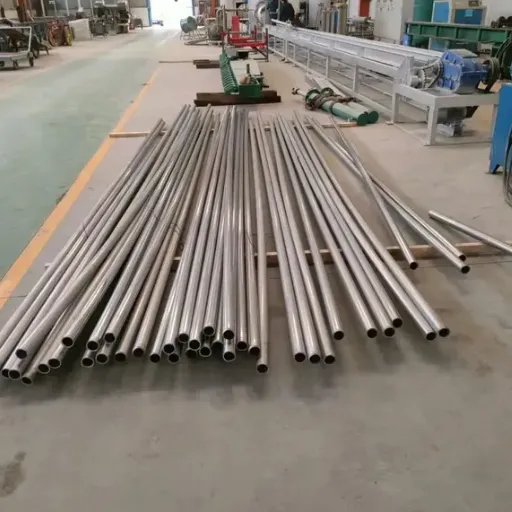
Thin wall is relative to the tube's diameter, form, grade, condition, and project use. A wall value that is thin for one OD may not be thin for another. The buyer should avoid treating a supplier's example, a capillary label, or a percentage copied from a web page as a universal definition. A thin wall titanium tubing requirement must be tied to the drawing and acceptance plan.
Start with the finished drawing and the actual acceptance need. Decide whether OD, ID, wall, or a relationship between them controls. State the controlling values and the measurement method in the RFQ. If the project has not fixed a value, mark it open and identify who will resolve it.
Keep geometry fields separate
OD, ID, and wall thickness are related, but they are not interchangeable acceptance fields. If ID is derived from OD and wall, say so. If ID must remain within its own limit, state it directly. Add ovality, eccentricity, wall uniformity, and straightness separately when they affect fit, assembly, forming, feeding, or inspection.
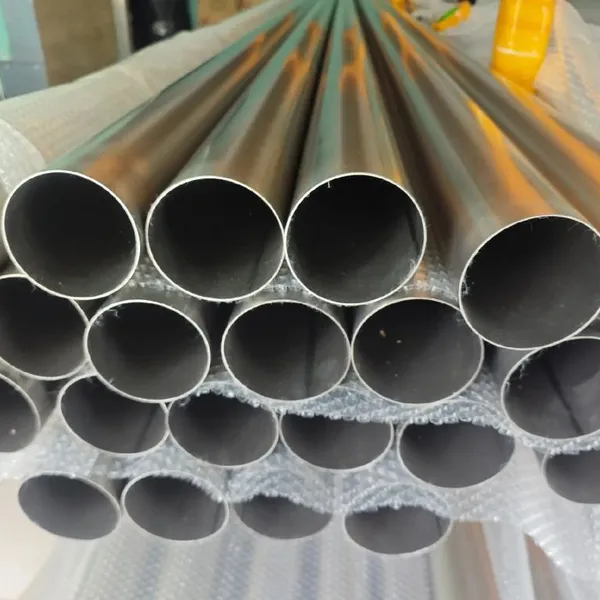
Thin wall tubing can also need special handling and packing instructions. Protection against dents or ovality during storage and transport may be relevant, but a buyer should state the required protection rather than assuming a standard package.
Illustrative scenario: a wall value was not enough
An illustrative buyer requests 0.5 mm wall titanium tubing without giving OD, ID, tolerance, or length. One response assumes a small tube, another assumes a larger diameter, and the quantity basis differs. The buyer adds OD, wall, ID tolerance, length, form, condition, and packing notes. The revised RFQ can be reviewed without guessing the intended geometry.
Do not turn a label into an application approval
Thin wall titanium tubing may appear in many application searches, but this article does not select material for aerospace, medical, marine, chemical, instrumentation, pressure, or thermal service. The responsible engineer and governing project documents must define the grade, standard, condition, test plan, and acceptance criteria.
Choose Grade, Standard, and Manufacturing Form
The standard and manufacturing form should be named before a thin wall tube quote is compared. ASTM B338-17(2026) covers seamless and welded titanium-alloy tubes for condensers, evaporators, and heat exchangers. ASTM B861 covers seamless titanium and titanium-alloy pipe within its stated corrosion and elevated-temperature scope. ASTM B862 addresses welded titanium pipe.
These standards have different stated scopes. A buyer should retain the standard named by the drawing or purchase order, state the edition, and list any customer or project additions. The ASTM public pages are terminology and scope sources; they do not prove Fengyao supply, a minimum wall, a route, or a test result.
State seamless or welded as an order field
If the project requires seamless, write seamless. If welded and drawn is acceptable, state that option and the acceptance conditions. If form is open, ask the supplier to identify the proposed route and any effect on dimensions, surface, inspection, or documents.
The public B338 abstract describes seamless tube as made from hollow billet through cold reducing or cold drawing. That is a standard description, not an assertion about the active site. Do not infer manufacturing ownership from a product title.
Illustrative scenario: the same material had different standards
An illustrative buyer requests thin wall titanium tubing for a cooling system and names only a grade. One supplier responds under B338; another proposes a seamless-pipe route under B861. The buyer checks the project drawing, adds the governing standard and test clause, and asks each supplier to list deviations. The responses become comparable.
Control the standard revision
Attach the current drawing and identify which document controls material, dimensions, inspection, and acceptance. If a drawing and old purchase order use different editions, resolve the conflict before a final quote. A standard number without a current revision can leave a thin wall tube order open to interpretation.
Specify OD, ID, Wall, Ovality, and Length
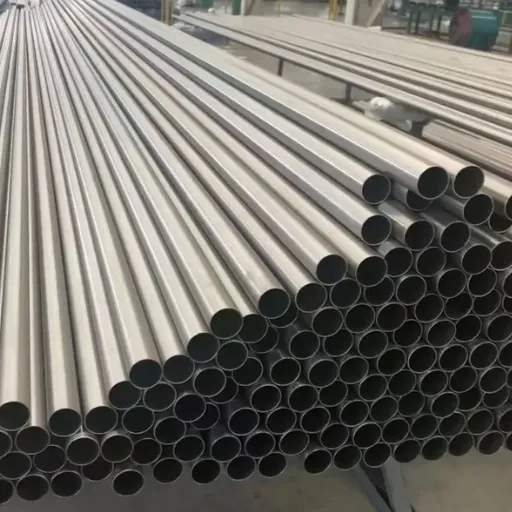
The dimensional part of a thin wall titanium tubing RFQ should be easy to inspect. Give OD, wall, length, units, and tolerance. Add ID when it controls the design. Include ovality, eccentricity, straightness, end condition, surface, and delivered condition when the drawing requires them.
Define the controlling dimensions
State whether the tube is ordered as OD by wall, ID by wall, or another project-defined combination. Give nominal values and limits. If the relationship between dimensions matters, state how it will be checked. Do not assume a supplier's standard tolerance applies to every grade, diameter, form, or route.
Wall uniformity and eccentricity may matter even when average wall thickness appears acceptable. The project should decide which measurements are critical. If a value is not fixed, write “to be confirmed” instead of inventing a default.
Add ovality and straightness
Ovality is a geometric condition, not a substitute for OD tolerance. Straightness needs a limit and a reference length or gauge length. If the tube will pass through a guide, fit a connector, or be formed, identify the relevant controls and measurement basis.
State length and length tolerance. Add fixed or random length, cut-face, chamfer, deburring, or end-preparation requirements only when they are part of the project. A thin wall tube can be vulnerable at the ends, so handling and packing notes should be visible when needed.
| RFQ control | Buyer should state |
|---|---|
| Dimensions | OD, ID, wall, units, and tolerances |
| Geometry | Ovality, eccentricity, wall uniformity, and straightness |
| Delivery | Length, ends, surface, condition, quantity, and packing |
| Acceptance | Drawing revision, measurement method, inspection, and records |
Illustrative scenario: ovality was the missing line
An illustrative project specifies OD and wall but says nothing about ovality. The tube must later pass through a close fitting guide, so the buyer adds ovality, straightness, handling, and inspection requirements. The supplier can now identify whether the request is technically reviewable instead of assuming a general roundness condition.
For store context, see Fengyao's company profile. The storefront identifies the business as a trading company, so thin wall dimensions and conditions should be confirmed for every inquiry.
Plan Inspection, Handling, and Documents
Inspection belongs in the first thin wall titanium tubing request. A thin wall description alone does not establish how OD, ID, wall, ovality, surface, ends, or straightness will be checked. Name the inspection scope and the controlling document.
State the measurement method
If the project requires a particular instrument, location, sample size, gauge length, temperature, or acceptance method, include that requirement. If a record is needed before release or with delivery, say so. The buyer should ask for order-specific confirmation of any ultrasonic, electromagnetic, hydrostatic, pneumatic, flattening, dimensional, or visual test required by the applicable standard or drawing.
Do not assume that a supplier will provide a certificate, material test report, heat or lot traceability, dimensional record, or third-party inspection. Name each requested record and identify its revision. The same applies to cleanliness, labels, separators, and packing protection.
Protect the supplied geometry
If dents, scratches, ovality, or end damage could affect acceptance, write the required handling and packing condition. Do not promise a specific package or protection method on behalf of Fengyao. Ask the supplier to confirm what is proposed for the actual dimensions and destination.
Keep the RFQ, drawing, supplier questions, responses, and clarification log together. When OD, wall, form, condition, inspection, or packing changes, issue a revision and ask whether the commercial basis changes.
Compare Thin Wall Titanium Tubing Quotes
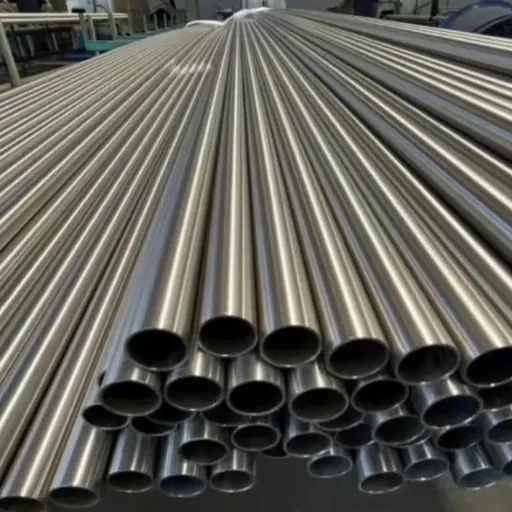
Compare technical scope before price. Two thin wall titanium tubing quotations may use the same grade while covering different forms, OD, wall, tolerances, condition, inspection, packing, or quantity assumptions.
Build one requirements matrix
Create rows for grade, standard and edition, form, OD, ID, wall, tolerances, ovality, eccentricity, straightness, length, ends, surface, condition, quantity, inspection, documents, packing, destination, price basis, and assumptions. Mark each as confirmed, different, excluded, or pending.
Put proposed alternatives in a deviations column. The responsible buyer or engineer can decide whether a different form, route, tolerance, or document scope is acceptable. Do not merge an alternative into the original request simply because it appears in a quotation.
Confirm commercial assumptions
Ask whether price is based on pieces, lengths, mass, or a cut arrangement. Confirm quote validity, packing, freight terms, taxes, timing, and any minimum quantity assumption where relevant. These questions clarify scope; they do not promise a commercial result.
When ready, submit the complete requirement through contact Fengya. Ask for confirmation of product scope, dimensions, form, documents, and open items.
Copy-and-Send Thin Wall Tubing RFQ
Product: thin wall titanium tubing [tube / pipe as project-defined]
Material designation / grade: [state project requirement]
Applicable standard and edition: [B338 / B861 / other project requirement]
Manufacturing form: [seamless / welded / drawn / other]
Outside diameter / inside diameter: [value, unit, tolerance]
Wall thickness: [value, unit, tolerance]
Ovality / eccentricity / wall uniformity: [state requirement or “to be confirmed”]
Straightness and length: [limits, gauge length, length tolerance]
Surface / delivered condition / ends: [state requirement]
Quantity: [pieces, lengths, and/or mass]
Inspection and documents: [list each requirement]
Drawing or revision: [attach if applicable]
Packing, destination, timing, and open items: [state]
Before sending, check the standard edition, form, OD, ID, wall, units, tolerance, length, condition, inspection, and drawing revision. Send the same thin wall titanium tubing RFQ version to each supplier when comparable replies are needed. Review the titanium product range and submit the inquiry through contact Fengyao. A precise thin wall titanium tubing request gives the review a clear starting point.
Frequently asked questions
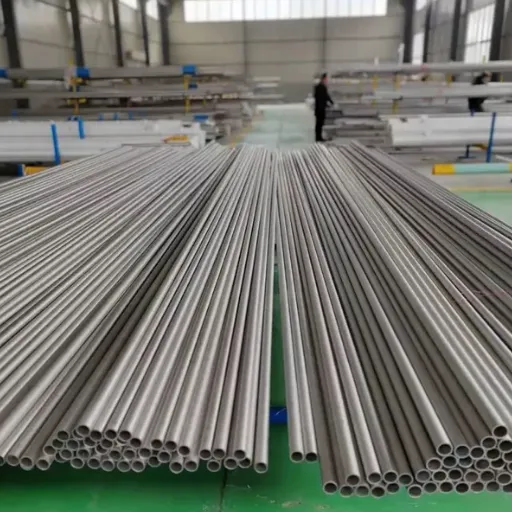
What makes tubing thin wall?
It is a project-relative description based on OD, wall, grade, form, standard, and acceptance needs. There is no universal minimum wall that applies to every tube.
Should I specify OD, ID, or wall?
State every dimension that controls the design. If one is derived, say so. If ID, wall uniformity, or ovality is critical, give it its own tolerance and measurement basis.
Which standard should I use?
Follow the drawing or project requirement. B338, B861, and B862 have different stated scopes; do not substitute one for another without approval.
How do I request inspection documents?
Name each test or record, cite the controlling clause and revision, state when it is needed, and request order-specific confirmation.
Final note
A complete thin wall titanium tubing RFQ makes a delicate geometry easier to review. A thin wall titanium tubing requirement should keep OD, ID, wall, ovality, condition, and inspection together. It does not establish a minimum wall, pressure rating, stock, route, testing, price, or delivery until the actual requirement is confirmed. Keep dimensions, handling, acceptance, and documents together in one controlled request.
Recently Posted
-
Seamless vs Welded Titanium Tube: Compare Form, Standard, and Inspection
September 23, 2026The practical answer to seamless vs welded titanium tube is that neither route is automatically the right choice. Seamless and wel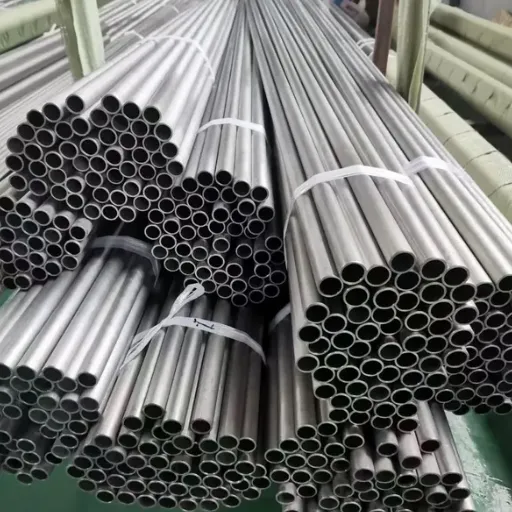 Read More
 -
Titanium Tube vs Pipe: Choose the Right Dimensional Language
September 23, 2026The practical difference in a titanium tube vs pipe request is usually the dimensional convention: tube is commonly specified by e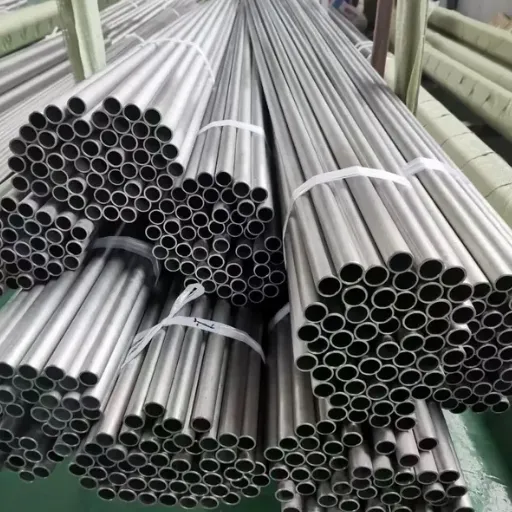 Read More
 -
Titanium Bar for Machining: Build a Better Stock RFQ
September 22, 2026When buying titanium bar for machining, state the grade, condition, stock form, dimensions, tolerance, machining allowance, straig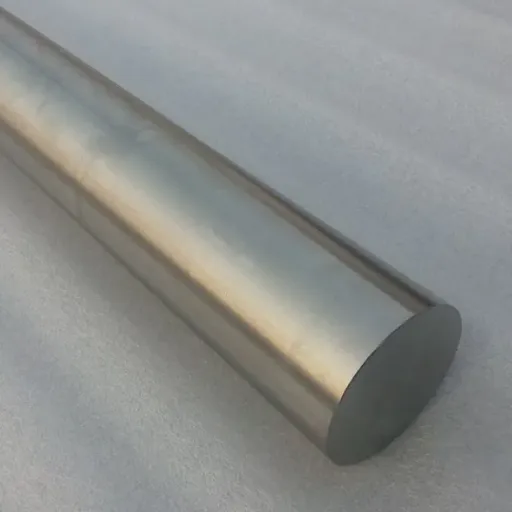 Read More
 -
Seamless Titanium Tube: Build a Clear Specification-Ready RFQ
September 22, 2026A seamless titanium tube RFQ should state the grade, governing standard, OD, wall thickness, length, tolerances, condition, quanti Read More

Contact Us
Recommended Products
-
 Titanium Alloy Plate Gr5 Gr7 Gr9 Gr12 Gr23 Cold Rolled Titanium Sheet Custom SizeNegotiableMOQ: 1 Ton
 -
Gr2 Titanium Alloy Rod Pickled Surface Hexagonal Titanium Bar Custom CuttingUS$ 20 - 40MOQ: 100 Kilograms
-
Grade1 Pure Titanium Wire ASTM B863 Standard Spool Titanium Wire Custom DiameterNegotiableMOQ: 100 Kilograms
-
Grade 2 Seamless Titanium Tube ASTM B338 Titanium Pipe Custom Length Pickled Surface Titanium TubingUS$ 20 - 40MOQ: 100 Kilograms
-
1mm Titanium Sheet Hot Rolled Titanium Plate Support Waterjet And CNC CuttingUS$ 20 - 40MOQ: 100 Kilograms
-
Thin Titanium Fine Wire Pickled Surface Titanium Wire Custom Diameter ToleranceNegotiableMOQ: 100 Kilograms
-
Titanium Round Bar Stock Gr1 Pure Titanium Rod Multiple Shape SelectionUS$ 20 - 40MOQ: 100 Kilograms
-
High-Temperature Alloy 800 Nickel-Iron-Chromium Tubing for Industrial ApplicationsUS$ 20 - 40MOQ: 100 Kilograms
-
Gr5 Ti Aluminum Vanadium Wire Titanium Welding Wire AWS A5.16 ComplianceNegotiableMOQ: 100 Kilograms
-
Gr23 Titanium Rod Annealed Condition Custom Length Titanium Bar UT Inspection AvailableUS$ 20 - 40MOQ: 100 Kilograms
-
CP Grade4 Titanium Alloy Rod Rolled Process Hex Titanium Bar Industrial ApplicationUS$ 20 - 40MOQ: 100 Kilograms
-
1 Inch 2 Inch Titanium Tubing Seamless Titanium Pipe Custom Cutting Titanium Tube For EngineeringUS$ 20 - 40MOQ: 100 Kilograms
-
4x8 Titanium Sheet Pure Titanium Plate Mill Finish Surface Cold Rolled Titanium SheetUS$ 20 - 40MOQ: 100 Kilograms
-
2mm Titanium Alloy Sheet Polished Titanium Plate For Chemical Corrosion ResistanceUS$ 20 - 40MOQ: 100 Kilograms
-
Custom Cut Titanium Plate Titanium Alloy Sheet With CNC Waterjet Shearing ProcessingNegotiableMOQ: 1 Ton
-
3mm Titanium Round Bar Gr2 Titanium Rod Strict Diameter Tolerance ControlUS$ 20 - 40MOQ: 100 Kilograms
-
Titanium Hypodermic Tubing Micro Thin Wall Titanium Tube Custom Tolerance Titanium PipeUS$ 20 - 40MOQ: 100 Kilograms
-
Titanium Grade2 Seamless Pipe Thin Wall Titanium Tubing Custom Length Titanium TubeUS$ 20 - 40MOQ: 100 Kilograms
-
2mm Titanium Alloy Wire Polished Surface Spool Packed Titanium WireNegotiableMOQ: 100 Kilograms
-
Ti-6Al-4V Titanium Alloy Sheet Grade Gr5 Titanium Plate For Aerospace ApplicationUS$ 20 - 40MOQ: 100 Kilograms