
 Business License

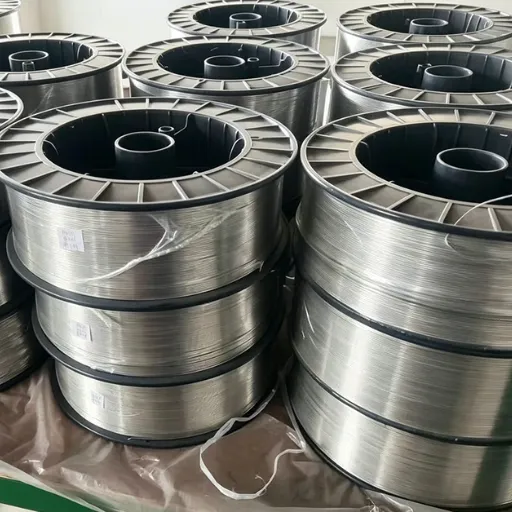
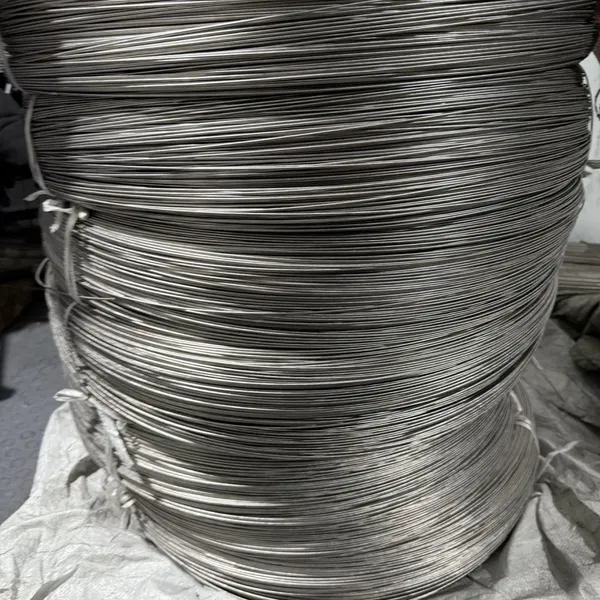
Titanium Wire Spool: Specify Wire, Spool, Packing, and Documents
A titanium wire spool is a delivery and feeding form, not a complete material specification. A reliable request identifies the wire grade, standard, diameter, tolerance, spool geometry, winding, packaging, records, and feeder requirements together. The word “spool” alone does not prove compatibility with a feeder, a welding procedure, a wire grade, or a particular packing condition.
That matters because a spool that carries the correct wire diameter can still fail to fit the bore, flange clearance, traverse width, winding direction, or feed path of the downstream equipment. This guide explains how to define a titanium wire spool requirement before quotation.
Key takeaways
A titanium wire spool should be specified by both wire requirements and spool/feeding requirements.
ASTM B863 covers titanium and titanium-alloy wire; ASTM’s web page lists B863-26 as active, which should be verified before ordering.
A B863-23 text summary says coiled wire may be spooled when required by the user and identifies spool size, coil diameter, and length as order fields.
AWS A5.16 applies when the project calls for titanium welding electrodes or rods, not automatically for all spooled wire.
Feeder fit requires documented bore, flange, traverse, winding, wire path, and packaging requirements.
Start a specification-led inquiry through Fengyao’s titanium wire category and submit the complete request through contact Fengyao.
What a titanium wire spool is
Spool versus coil versus straight wire
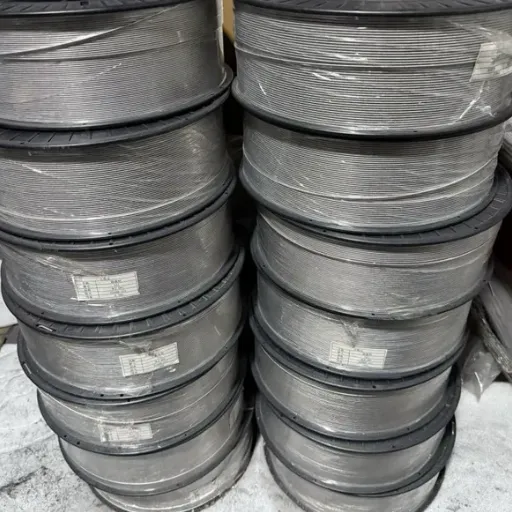
A spool is a reel or similar support around which wire is wound for handling or continuous feed. A coil is wire supplied in coil form. A B863-23 text summary defines coils as wire in coil form with pitch and cast described by the purchaser, and says coiled wire may be spooled when required by the user.
Straight lengths are a separate delivery form. The same summary says they are generally made by straightening wire from coils. This shows why wire form must be written into the purchase request rather than inferred from diameter.
The distinction affects packing, handling, receiving inspection, and production flow. It does not establish the material grade, standard, surface condition, or application approval.
Form does not define the material standard
ASTM B863 covers titanium and titanium-alloy wire. A spool can carry wire ordered under that material specification, but it can also be part of a welding-consumable order with a different governing reference. The project must identify which standard controls the purchased product.
Illustrative scenario: A buyer requests a titanium wire spool for a feeder but gives only a nominal diameter. The supplier needs the grade, standard, tolerance, spool bore, flange clearance, traverse width, winding direction, quantity, and record requirements before confirming the request.
For broader product navigation, see the titanium product range. Specific spool supply, dimensions, and compatibility require written confirmation against the RFQ.
Define the wire before the spool
Grade, standard, and application scope
The wire identity comes first. State grade or alloy designation, UNS number when applicable, standard number and edition, and any customer drawing or specification. ASTM B863 covers titanium and titanium-alloy wire, and the current ASTM web page lists B863-26 as active in its version history. Verify the active official edition before purchase.
If the wire is intended as welding filler metal, identify the welding procedure and governing consumable standard. AWS A5.16/A5.16M:2023 covers classification of more than 30 titanium and titanium-alloy welding electrodes and rods, including requirements involving testing and packaging. It should not be assumed from a spool image or a general “titanium wire” label.
Do not treat a product grade as approval for welding, regulated use, chemical service, medical use, or any other application. The responsible engineering and quality teams must define those requirements.
Diameter, tolerance, surface, and condition
State wire diameter, unit, and tolerance before selecting the spool. The wire must pass through the downstream path without the buyer assuming a supplier’s published catalog tolerance. If the project controls ovality, surface, straightness after unspooling, or another characteristic, include the acceptance requirement and report format.
Surface and delivered condition should also be written into the order when they matter. State the controlled drawing note, cleanliness requirement, finish condition, or inspection acceptance criterion. Do not use a broad phrase such as “clean wire” when the project needs measurable or documented acceptance conditions.
Spool dimensions and feed compatibility
Bore, flange, traverse, and winding direction
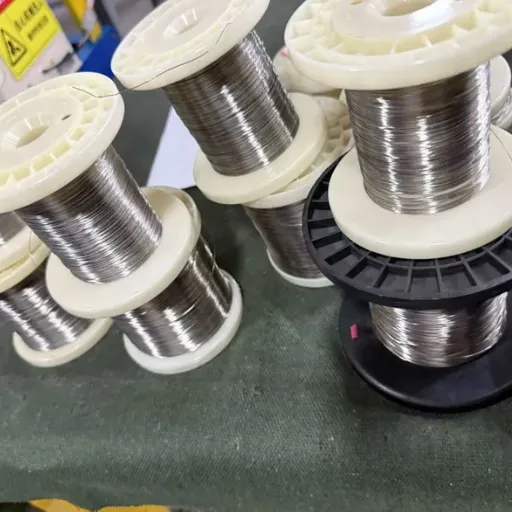
For a titanium wire spool, feeder compatibility normally depends on more than the wire diameter. A complete request should identify bore diameter, flange diameter, traverse width, maximum outside winding diameter, hub geometry, spool material if controlled, and any machine-clearance constraint.
Winding direction and the intended wire exit direction can also matter. State whether the feeder needs a particular payoff orientation, winding layer requirement, controlled cast, or restriction on crossover. These are purchaser-defined fields, not generic spool promises.
The B863-23 summary is useful because it identifies order dimensions including size, spool size, coil diameter, and length. It does not provide a universal reel standard. A feeder drawing or a sample spool specification should control the final geometry.
Wire path, handling, and protection
Include the feed-path information that affects use: guide diameter, tension-control limits if defined by the equipment maker, maximum spool mass if constrained, and any restriction on tangles, damage, moisture, contamination, or mixed lots. Identify how the spool should be restrained during transport and whether a flange protector, bag, carton, or other project-defined packing is required.
Illustrative scenario: The wire diameter meets the request, but the delivered spool bore does not fit the feeder arbor. The buyer avoids this issue by attaching the feeder drawing and naming bore, flange, traverse, winding direction, and maximum spool mass as RFQ fields.
Base wire versus titanium welding wire spool
ASTM B863 material-wire context
Base wire may be ordered under ASTM B863 with the grade, dimensions, form, and acceptance requirements identified in the order. The source standard discusses material identity and product forms, but the purchase request still needs the practical details of diameter, tolerance, spool geometry, packaging, and records.
Use the exact standard edition and project hierarchy. A drawing may impose requirements beyond the material standard. List those requirements separately so the supplier can identify any deviation rather than silently applying a catalog convention.
AWS A5.16 context for filler metal
When the wire is intended for fusion welding, AWS A5.16 may control the classification and related requirements. The AWS standard says classification is based on chemical composition and includes general requirements, testing, packaging, and application guidelines. The final filler-metal requirement should follow the approved welding procedure and purchase specification.
Do not call every spooled titanium wire “welding wire.” Similarly, do not assume an ASTM B863 material-wire order meets an AWS filler-metal requirement. Keep material, application, qualification, and document requirements explicit.
Packing, records, and receiving inspection
Marking and traceability
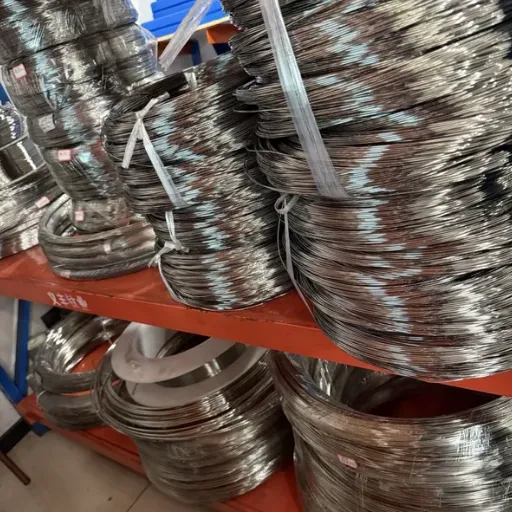
Specify what must appear on the spool label and outer packing: product identity, grade, standard edition, diameter, lot or heat reference, quantity, purchase-order line, and any project-defined marking. The documents should link to the same identifiers so receiving inspection can confirm that the spool and records match.
List the exact records required, such as a material record, dimensional report, inspection report, conformity statement, or buyer format. A document title by itself does not prove every requirement. The order should say what information the record must contain.
Protection and receiving checks
Packaging should protect the wire and preserve the spool geometry required by the project. State any needed moisture barrier, flange protection, restraining method, carton, handling label, or segregation rule. These are delivery requirements that should be confirmed against the request.
Receiving inspection can compare the delivered wire grade, diameter, form, spool dimensions, labeling, quantity, packaging condition, and records with the purchase order. A spool should not be accepted as equivalent to a coil or straight wire solely because the material grade appears similar.
For site background, visit the company profile. Submit packing and document requirements through contact Fengyao.
Compare titanium wire spool quotes
| Field | Requirement to state | Buyer review question |
|---|---|---|
| Wire identity | Grade, UNS, standard, edition | Does it match the controlled requirement? |
| Wire geometry | Diameter, unit, tolerance, surface | Is the acceptance basis stated? |
| Spool geometry | Bore, flange, traverse, maximum winding OD | Will it fit the feeder? |
| Winding | Direction, exit, cast/pitch if controlled | Does it suit the feed path? |
| Packing | Protection, labeling, segregation | Will transport preserve usability? |
| Documents | Lot/heat linkage, reports, format | Are records tied to the spool? |
| Deviations | Any alternate geometry or condition | Has the project approved it? |
Compare technical scope before price. A lower quote may use a different spool geometry, wire form, tolerance, record package, or packing method. Require each supplier to list exceptions against the same RFQ.
Copy-and-send titanium wire spool RFQ
Product: titanium wire on spool
Grade / UNS / applicable standard and edition:
Customer drawing and revision, if any:
Diameter, unit, and tolerance:
Surface and delivered condition:
Spool bore, flange diameter, traverse width, and maximum winding OD:
Winding direction, payoff orientation, cast/pitch, and feed-path notes:
Required spool quantity, wire length or mass per spool:
Packing, marking, lot/heat linkage, documents, and inspection:
Destination, timing, and open items:
Illustrative scenario: A welding team asks for an AWS-classified wire on a spool, but the RFQ cites only ASTM B863. The purchaser adds the approved welding-procedure reference, consumable classification, spool geometry, records, and packaging requirements before release.
FAQ about titanium wire spool orders
How should a spool shipment be reviewed on receipt?
Check the spool label, material identity, standard edition, nominal diameter, tolerance reference, quantity, spool dimensions, packing condition, and lot or heat linkage against the purchase order. Review the requested records before the spool is released to production. If the feeder fit, winding orientation, or document package differs from the approved order, identify it as a deviation for project review.
This receiving step is useful even where the wire will be transferred to another reel. It preserves the connection between the delivered material, its original spool, and the accompanying records. If a production process needs a controlled re-spooling operation, define that requirement in the project procedure rather than assuming it is part of supply.
Why should packing be specified separately from spool geometry?
Spool geometry tells the buyer whether the reel can fit and pay off through the equipment. Packing tells the logistics and receiving teams how the reel must be protected, labelled, restrained, segregated, and handled in transit. A spool can match the feeder dimensions and still arrive with damaged flanges, mixed identifiers, or an unsuitable protection method if packing is left open.
Use separate RFQ fields for reel geometry and outer packing. This makes the technical fit and shipment condition independently reviewable, while allowing the supplier to list any assumptions before quotation.
Is a spool the same as a coil?
No. A coil is wire in coil form; a spool is a support around which wire may be wound. State the delivery form and the spool dimensions required by the downstream equipment.
What feeder information should I provide?
Provide bore, flange, traverse, maximum winding OD, payoff direction, feed path, clearance constraints, and any equipment drawing. Also provide the required wire diameter and tolerance.
Which standard controls titanium wire on a spool?
ASTM B863 may control general titanium wire. AWS A5.16 may apply where the project specifies titanium welding consumables. The purchase order and drawing must identify the governing standard and edition.
Can Fengyao confirm spool compatibility?
Send the complete wire and feeder requirement through contact Fengyao. The storefront does not itself confirm spool dimensions, feeder compatibility, availability, certification, inspection, price, or lead time.
Conclusion
A titanium wire spool is purchase-ready only when the wire identity, diameter, tolerance, spool geometry, winding, packing, documents, and feeder requirements are all visible. Keep base-wire and filler-metal requirements separate, compare deviations before price, and submit the completed RFQ to Xi'an Fengyao Technology Co., Ltd. for review.
Recently Posted
-
Titanium Material RFQ Checklist: What to Include Before You Request a Quote
October 14, 2026A complete titanium material RFQ checklist turns a material request into a comparable quotation package. It should name the produc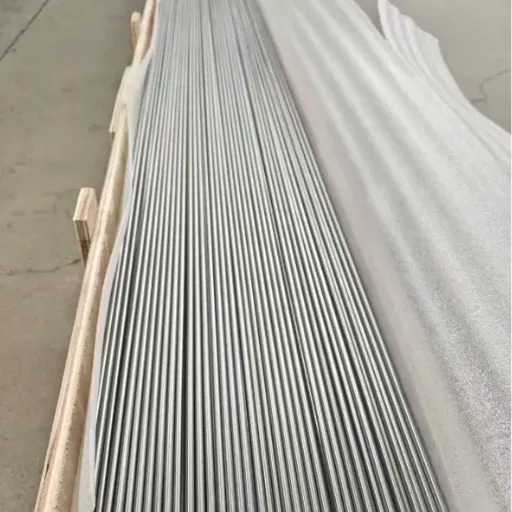 Read More
 -
Titanium Material Certificate: How to Check MTC, MTR, and Traceability
October 14, 2026A titanium material certificate supports receiving only when it can be matched to the delivered item, the purchase order or drawin Read More
 -
How to Choose a Titanium Supplier: Specifications, Documents, and Quote Checks
October 13, 2026The best way to choose a titanium supplier is to compare each offer against a written material requirement. Start with the product Read More
 -
Commercially Pure Titanium vs Titanium Alloy: Standards, Forms, and RFQ Requirements
October 13, 2026The practical difference in commercially pure titanium vs titanium alloy begins with material identity. In the public scope of AST Read More

Contact Us
Recommended Products
-
 Titanium Alloy Plate Gr5 Gr7 Gr9 Gr12 Gr23 Cold Rolled Titanium Sheet Custom SizeNegotiableMOQ: 1 Ton
 -
Gr2 Titanium Alloy Rod Pickled Surface Hexagonal Titanium Bar Custom CuttingUS$ 20 - 40MOQ: 100 Kilograms
-
Grade1 Pure Titanium Wire ASTM B863 Standard Spool Titanium Wire Custom DiameterNegotiableMOQ: 100 Kilograms
-
Grade 2 Seamless Titanium Tube ASTM B338 Titanium Pipe Custom Length Pickled Surface Titanium TubingUS$ 20 - 40MOQ: 100 Kilograms
-
1mm Titanium Sheet Hot Rolled Titanium Plate Support Waterjet And CNC CuttingUS$ 20 - 40MOQ: 100 Kilograms
-
Thin Titanium Fine Wire Pickled Surface Titanium Wire Custom Diameter ToleranceNegotiableMOQ: 100 Kilograms
-
Titanium Round Bar Stock Gr1 Pure Titanium Rod Multiple Shape SelectionUS$ 20 - 40MOQ: 100 Kilograms
-
High-Temperature Alloy 800 Nickel-Iron-Chromium Tubing for Industrial ApplicationsUS$ 20 - 40MOQ: 100 Kilograms
-
Gr5 Ti Aluminum Vanadium Wire Titanium Welding Wire AWS A5.16 ComplianceNegotiableMOQ: 100 Kilograms
-
Gr23 Titanium Rod Annealed Condition Custom Length Titanium Bar UT Inspection AvailableUS$ 20 - 40MOQ: 100 Kilograms
-
CP Grade4 Titanium Alloy Rod Rolled Process Hex Titanium Bar Industrial ApplicationUS$ 20 - 40MOQ: 100 Kilograms
-
1 Inch 2 Inch Titanium Tubing Seamless Titanium Pipe Custom Cutting Titanium Tube For EngineeringUS$ 20 - 40MOQ: 100 Kilograms
-
4x8 Titanium Sheet Pure Titanium Plate Mill Finish Surface Cold Rolled Titanium SheetUS$ 20 - 40MOQ: 100 Kilograms
-
2mm Titanium Alloy Sheet Polished Titanium Plate For Chemical Corrosion ResistanceUS$ 20 - 40MOQ: 100 Kilograms
-
Custom Cut Titanium Plate Titanium Alloy Sheet With CNC Waterjet Shearing ProcessingNegotiableMOQ: 1 Ton

-
3mm Titanium Round Bar Gr2 Titanium Rod Strict Diameter Tolerance ControlUS$ 20 - 40MOQ: 100 Kilograms
-
Titanium Hypodermic Tubing Micro Thin Wall Titanium Tube Custom Tolerance Titanium PipeUS$ 20 - 40MOQ: 100 Kilograms
-
Titanium Grade2 Seamless Pipe Thin Wall Titanium Tubing Custom Length Titanium TubeUS$ 20 - 40MOQ: 100 Kilograms
-
2mm Titanium Alloy Wire Polished Surface Spool Packed Titanium WireNegotiableMOQ: 100 Kilograms
-
Ti-6Al-4V Titanium Alloy Sheet Grade Gr5 Titanium Plate For Aerospace ApplicationUS$ 20 - 40MOQ: 100 Kilograms